
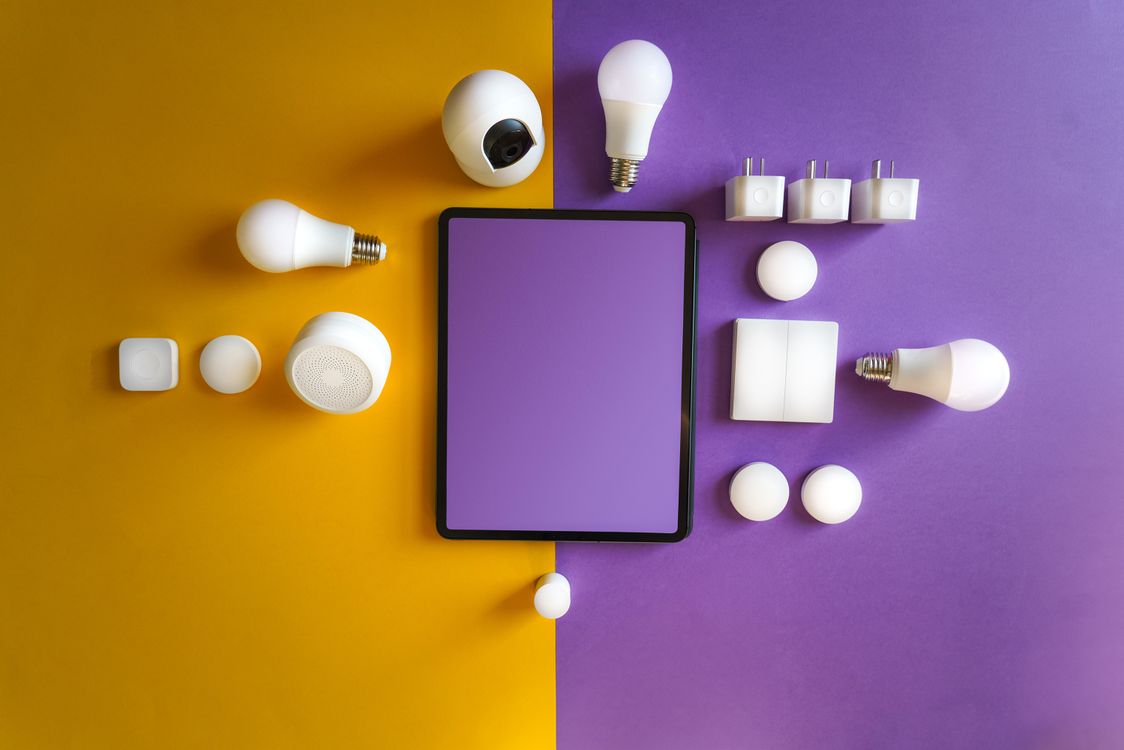
Your home is not smart. It has lights that can’t tell you’ve been sitting in the dark for 40 minutes because you couldn’t find the remote, a thermostat that learned your schedule the way a distant relative learns your name, and a doorbell that has no idea someone’s been standing outside for two minutes. These are the best smart home devices that actually fix those problems — ranked from solid entry point to the one that makes your home feel like it’s working for you.
No gimmicks, no devices that require a computer science degree to set up. Just smart home gear that earns its place in your house.
#10 — Kasa Smart Plug Mini EP25 (4-Pack)
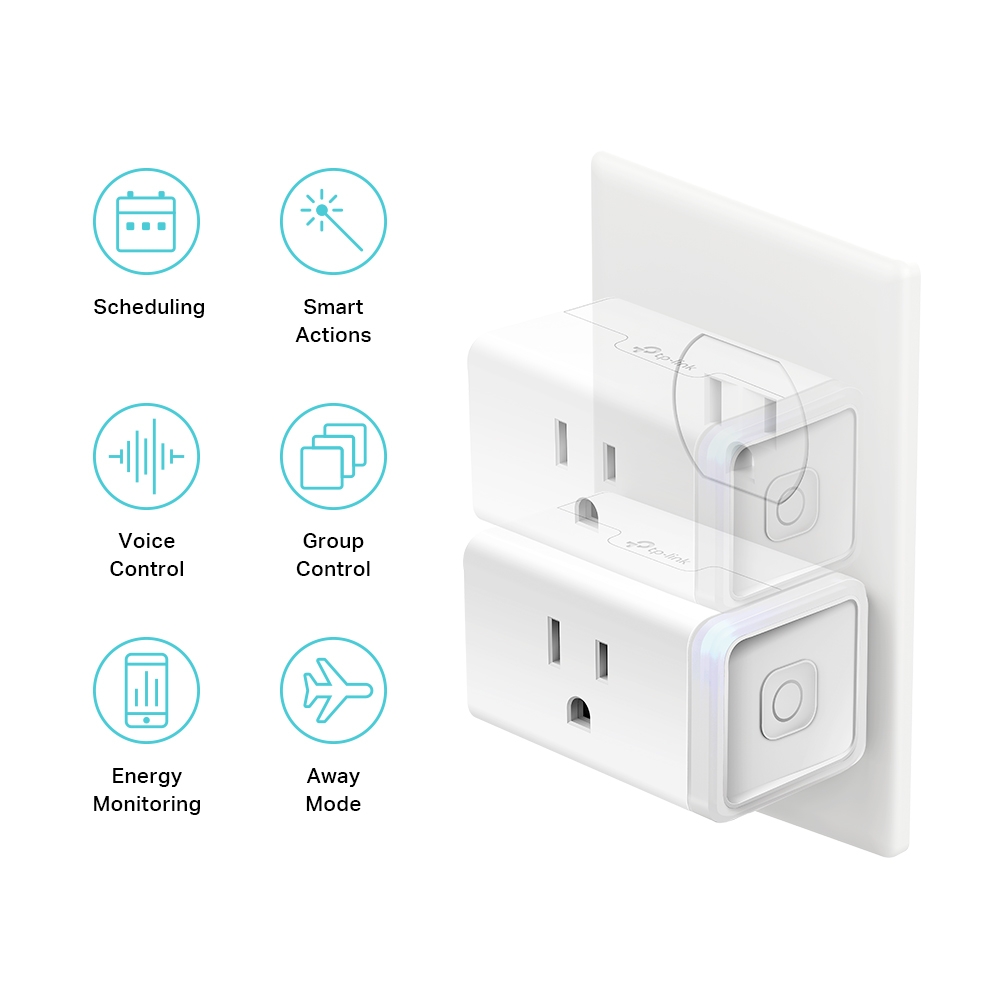
Your lamp is dumb. It has always been dumb. It requires a physical human finger to operate, it has no schedule, and it does not know that you left the house two hours ago with it still on. This is the cheap fix for that entire category of problems.
The TP-Link Kasa EP25 Smart Plug Mini fits into any outlet without blocking the second plug, works with Alexa and Google Home out of the box, and connects in about 90 seconds with no hub required. Set schedules, turn things on and off from your phone anywhere in the world, or build automations that turn your lamp on at sunset like a competent adult. The honest weakness is it’s 2.4GHz WiFi only — no 5GHz support, which means it can have occasional connectivity hiccups in dense WiFi environments. But for the entry point into smart home, a 4-pack of these is the cheapest, easiest way to make your home immediately smarter. Start here.
The small upgrade that lets you stop getting out of bed to turn the lamp off.
- Why it’s #10: Cheapest entry point into smart home with zero friction setup
- Best for: Lamps, fans, coffee makers, anything with a dumb power switch
#9 — Philips Hue White Ambiance Starter Kit (4-Pack + Hub)
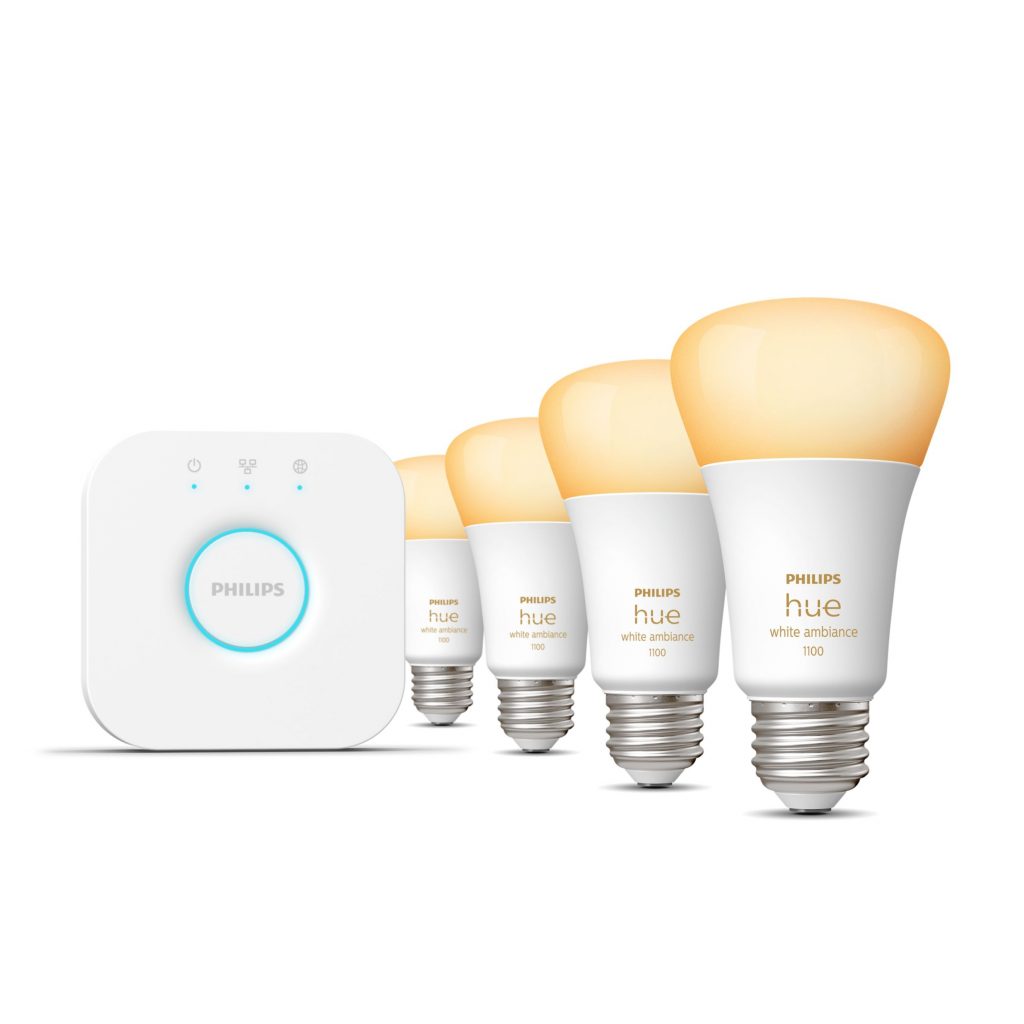
Picture this: you’re watching a movie, and the lights are either blazing overhead like a police interrogation or completely off while you try to find your remote with your feet. Lighting doesn’t have to be a binary decision between “hostile fluorescent” and “navigating by phone glow.”
The Philips Hue White Ambiance starter kit comes with four A19 bulbs that adjust from soft warm white to bright daylight, plus the Hue Bridge hub that makes them actually smart — not just app-controllable, but schedulable, automatable, and integrable with sunrise simulations, motion sensors, and every smart home ecosystem that exists. The Hue ecosystem runs Zigbee over its bridge, which makes it more reliable than WiFi bulbs. The genuine weakness is the hub requirement — it’s one more device to plug in, and the initial setup takes longer than a cheap WiFi bulb. But the Philips Hue system is the most reliable, most feature-rich smart lighting system you can buy, and these bulbs will still be working in five years when WiFi-only bulbs have been orphaned by their apps.
The lighting system that makes you realize every other smart bulb is a cheap substitute.
- Why it’s #9: Best smart lighting ecosystem with rock-solid reliability and long-term app support
- Best for: Living rooms, bedrooms, anywhere you want programmable mood lighting
#8 — Amazon Echo Dot (5th Gen)
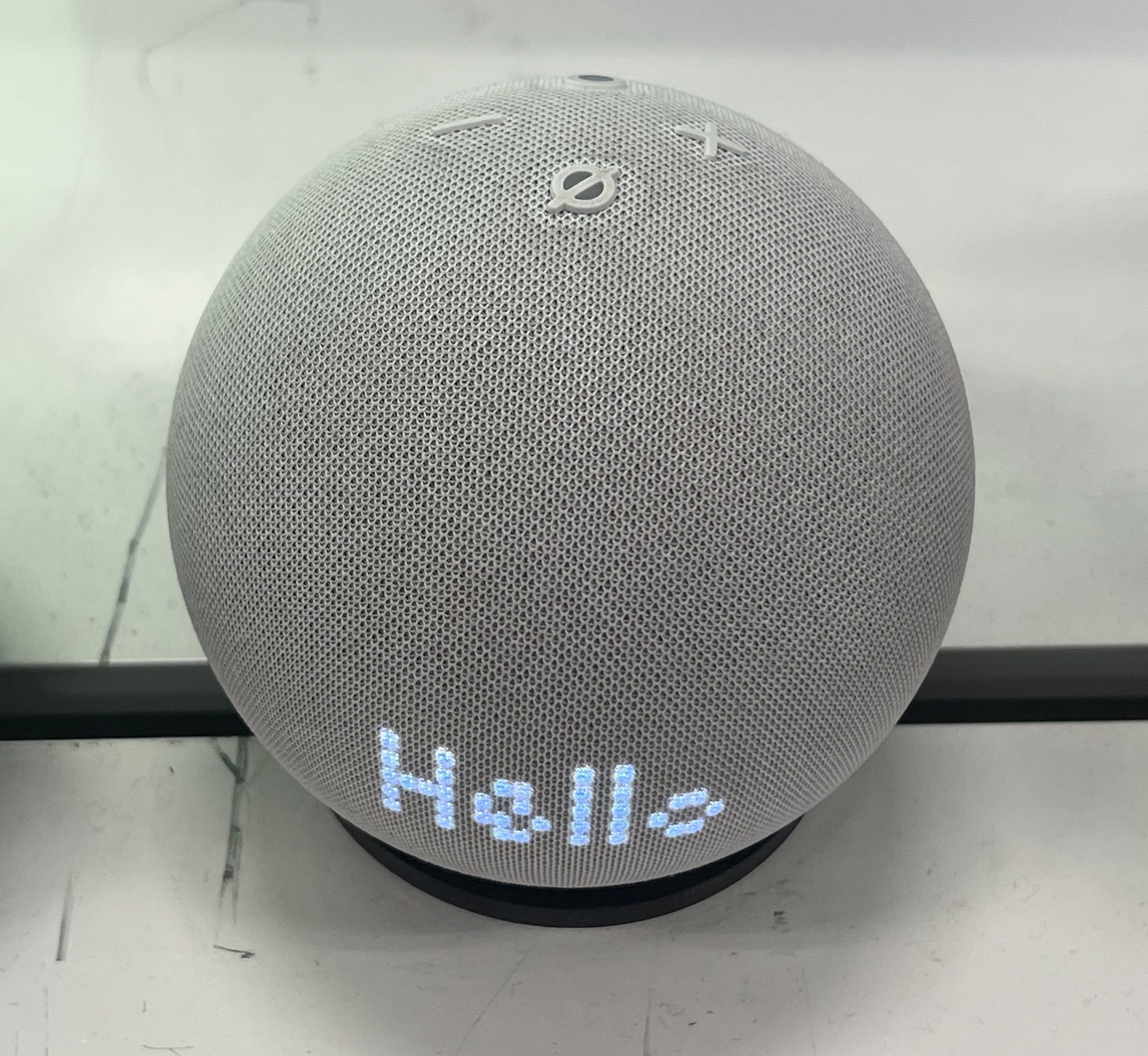
You know you should set a timer while cooking but your hands are covered in raw chicken and your phone is across the kitchen and there is a certain kind of chaos that unfolds from there. “Alexa, set a timer for 12 minutes” takes a third of a second and costs you nothing.
The Echo Dot 5th Gen is the most capable small Echo ever made — improved bass and clearer vocals than predecessors, a built-in temperature sensor, and a motion sensor that can trigger automations when you walk into the room. It hears you across the room, handles music through Spotify and Amazon Music, controls your smart home devices, sets timers, tells you the weather, and answers questions with the confidence of someone who has never been stumped at a trivia night. The weakness? The 5th Gen’s sound is noticeably better than the 4th but still clearly “a small speaker” — if audio quality matters, get an Echo or Echo Studio. But for voice control of a smart home, nothing beats the value here.
The voice assistant hub that quietly becomes the remote control for your entire house.
- Why it’s #8: Best-value smart speaker for home automation and voice control
- Best for: Voice control, timers, music in bedrooms/kitchens, smart home hub
#7 — Wyze Cam v3
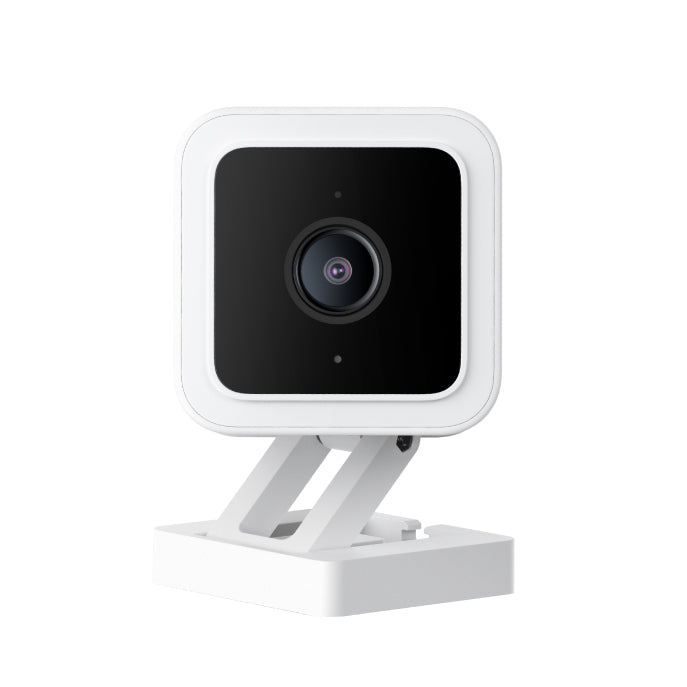
There’s a specific anxiety that comes from not knowing what happened to the package you tracked obsessively to your doorstep — the one that shows “delivered” but isn’t there. Then there’s the other specific anxiety where you’re at work wondering if that noise you heard before you left was the cat or something else entirely. A budget camera solves both of these, which is genuinely remarkable.
The Wyze Cam v3 is IP65 weather-rated for indoor or outdoor use, shoots 1080p with full color night vision (actual color, not the green-tinted surveillance footage from 2008), has two-way audio, and stores clips locally on a microSD card with no mandatory subscription. The weakness is the app has a slightly annoying free-tier clip model where motion clips are capped at 12 seconds without a Cam Plus subscription — but you can use local storage to record continuously anyway. For the price, nothing comes close. Three of these cameras cost less than one month of a home security system subscription.
The budget security camera that makes professional monitoring feel like an overpriced formality.
- Why it’s #7: Best price-to-capability ratio in home security cameras — color night vision at entry-level pricing
- Best for: Front door, backyard, baby monitor, package theft deterrent
#6 — Ring Video Doorbell Wired

Your doorbell currently tells you someone is at the door when you’re standing five feet from the door and can already see the door. It has one job and the job is adequate. But your phone can now answer the door from a different country, which feels like a reasonable upgrade for sixty dollars.
The Ring Video Doorbell Wired requires existing doorbell wiring (hardwired power means no battery management), shoots 1080p HD with infrared night vision, has two-way talk, and sends motion alerts to your phone before anyone even rings. You can see and speak to package deliverers, tell solicitors you’re absolutely home but also absolutely not answering, and have a video record of what happens at your front door. The weakness is it requires wiring — if you don’t have an existing doorbell, you’ll need the battery version instead. But for houses with existing wiring, this is clean, flush-mounted, and always powered.
The doorbell that answers questions about your front door that you didn’t know you had.
- Why it’s #6: Converts your front door into a security camera with two-way communication
- Best for: Package theft prevention, visitor screening, home security
#5 — Amazon Echo Show 5 (3rd Gen)
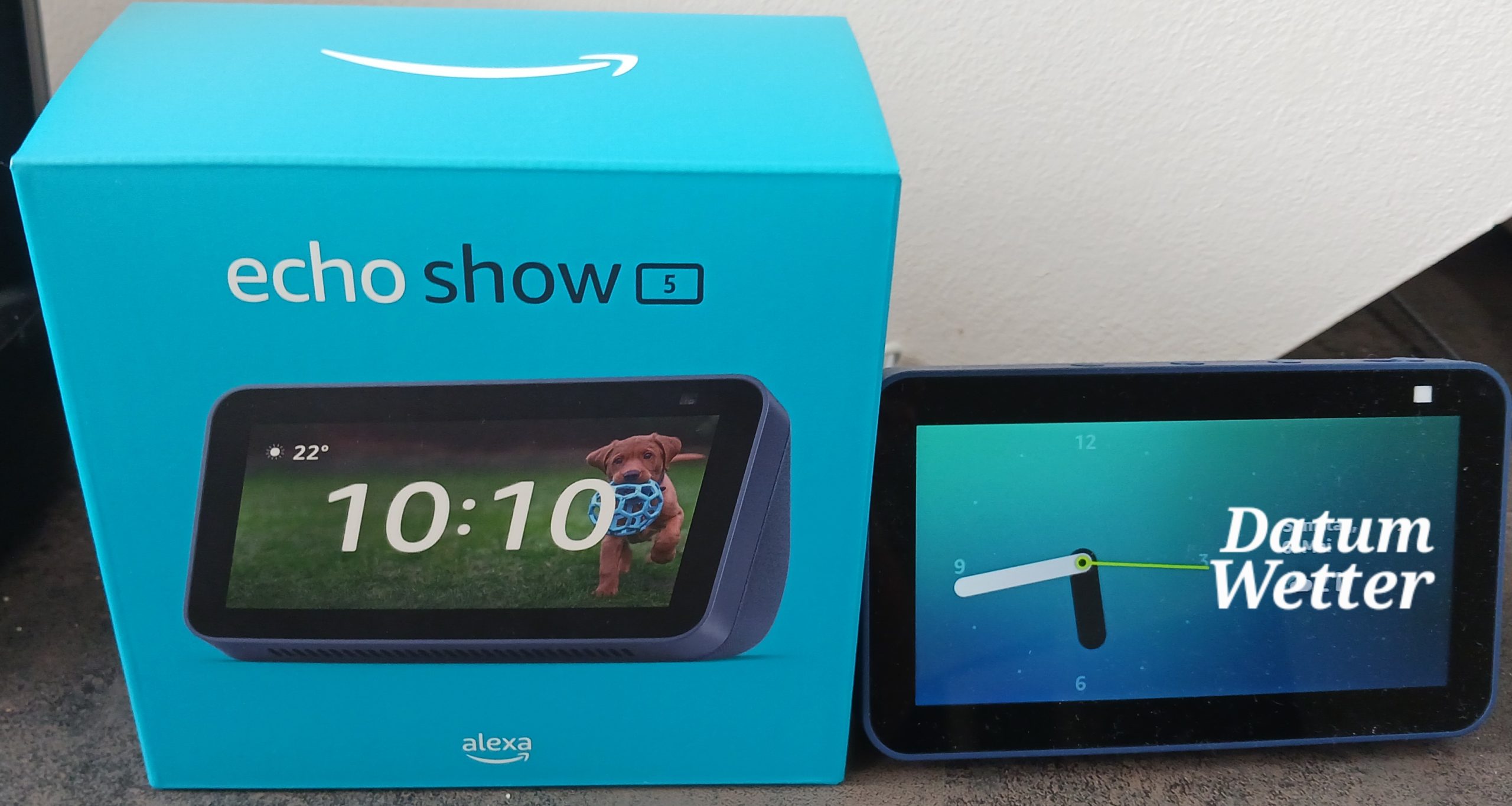
You’ve been using a smart speaker by talking to a cylinder with no screen, which is fine, except for when you want to see the weather forecast, watch a quick YouTube video, video call your parents, or see what’s happening on a security camera — at which point “just listening” becomes a significant limitation.
The Echo Show 5 adds a 5.5-inch screen to the Echo ecosystem, turning it into a smart display that shows you the calendar, the weather, recipe steps, video calls, security camera feeds, and on-demand content from Amazon Prime Video and Netflix. It sits on a nightstand perfectly as a smart alarm clock that can wake you with gradually brightening routines, show you traffic before your commute, and play music with a visual now-playing screen. The weakness is the screen is genuinely small at 5.5 inches — fine for a bedside nightstand, not ideal for watching actual content. But as a kitchen or bedside smart display, it hits a sweet spot the audio-only Dot can’t touch.
The smart display that makes your Echo Stop feeling like a conversation with the void.
- Why it’s #5: Adds a screen to voice control — video calls, recipes, camera feeds, all visible
- Best for: Bedside nightstand, kitchen counter, home office desk
#4 — ecobee SmartThermostat Enhanced
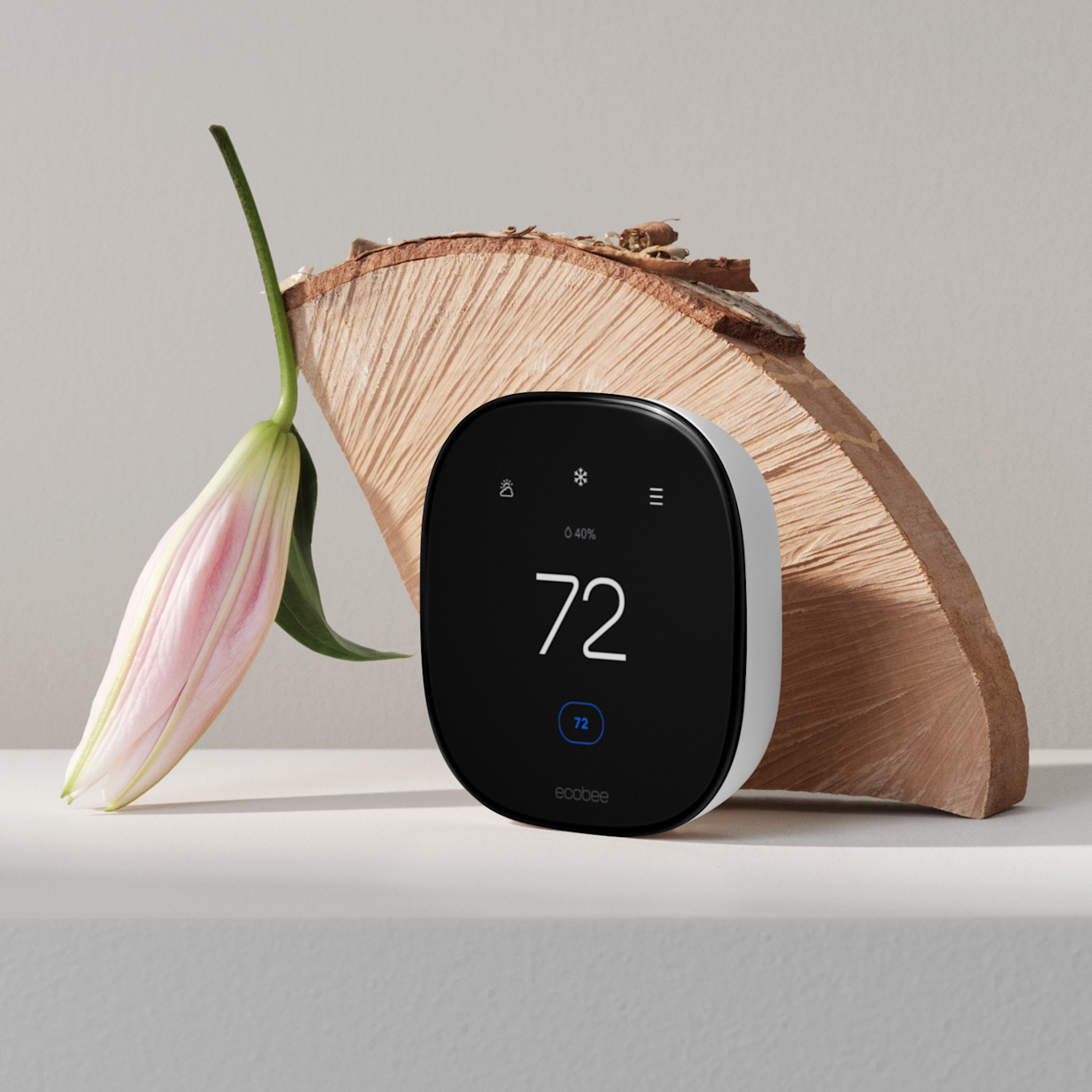
Your thermostat is a box on the wall that has been set to “69°F always” since you moved in because changing it involves a menu interface designed in 2007 and a manual that was last updated when flip phones were relevant. Meanwhile, it runs your HVAC when you’re not home, when you’re asleep, and when a window is open — heating or cooling air that goes directly to waste.
The ecobee SmartThermostat Enhanced learns your schedule and adjusts automatically, detects occupancy with a built-in sensor, and connects to Alexa (with a microphone built right in), Google Assistant, Apple HomeKit, and SmartThings. It also has a built-in Alexa speaker so you get a voice assistant and a smart thermostat in one device. ecobee claims average savings of 26% on heating and cooling costs — which on most utility bills pays for the thermostat within a year. The weakness is the installation: it requires a C-wire for continuous power, and while most modern systems have one, older HVAC systems may need a Power Extender Kit (included in the box). But the install is genuinely DIY-friendly with their step-by-step app guidance.
The thermostat that pays for itself by stopping your HVAC from heating an empty house.
- Why it’s #4: Smart thermostat with real energy savings, occupancy sensing, and built-in voice assistant
- Best for: Homeowners who want to reduce heating and cooling costs and automate climate
#3 — Amazon Echo (4th Gen)
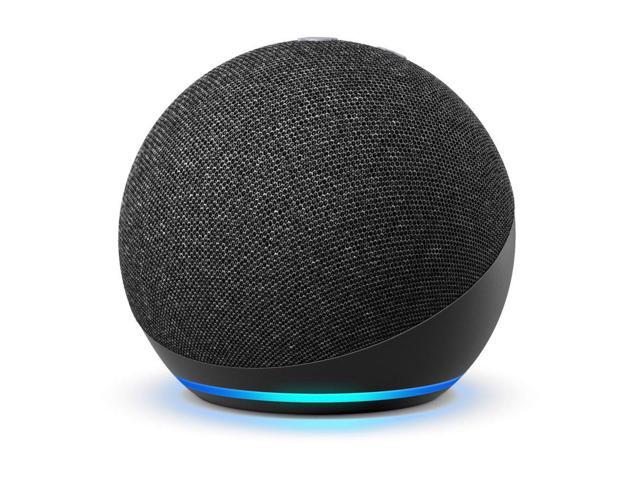
You’ve been thinking about setting up a smart home hub and you keep putting it off because it feels complicated, but the actual experience is: plug this in, say “Alexa, turn off the lights,” and watch your home do it. That’s it. That’s the whole setup.
The Echo 4th Gen is Amazon’s full-size smart speaker with premium sound and a built-in Zigbee hub, which means it can directly control Philips Hue bulbs, Amazon smart plugs, and hundreds of Zigbee devices without an additional bridge. The sound quality is a genuine step above the Echo Dot — rich, clear audio suitable for music listening throughout a room, not just functional background noise. The weakness is that Amazon’s ecosystem is walled-off enough that it works best when you’re committed to the Amazon smart home universe — mixing platforms can add friction. But as a central hub and speaker for a smart home, this is the most capable single device for the job.
The smart home command center that doubles as a speaker you’d actually want to listen to.
- Why it’s #3: Built-in Zigbee hub + premium audio + the most capable Alexa on the market
- Best for: Smart home command center, music, living room or kitchen use
#2 — Google Nest Learning Thermostat (4th Gen)
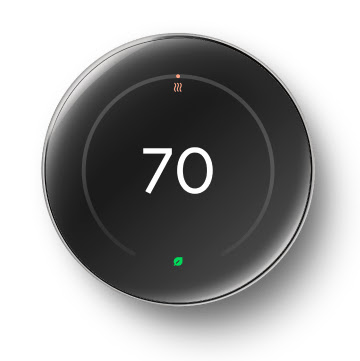
Here’s a genuinely unreasonable expectation: your thermostat should learn what temperature you like, figure out when you’re home and when you’re not, and adjust automatically — without you ever touching a menu. The 4th gen Nest does exactly that and has been doing it longer than most smart home devices have existed.
The Nest Learning Thermostat programs itself within a week of use, learning your temperature preferences and schedule. It detects when you’ve left and sets itself to Eco mode, saving energy while you’re gone without any configuration required. The 4th gen adds adaptive calibration, improved energy reporting, and a sharper premium display that shows weather, time, and temperature with a look that is genuinely attractive on your wall. The weakness is the premium price — it’s significantly more expensive than the ecobee. It also requires more consideration for compatibility with certain older HVAC systems. But for pure learning intelligence and long-term track record, the Nest Learning Thermostat remains the benchmark.
The thermostat that knows your schedule better than your calendar does.
- Why it’s #2: The original self-programming thermostat — still the most intuitive, most proven smart HVAC control
- Best for: Homeowners who want maximum automation with minimum manual programming
#1 — Roborock S8 Robot Vacuum & Mop
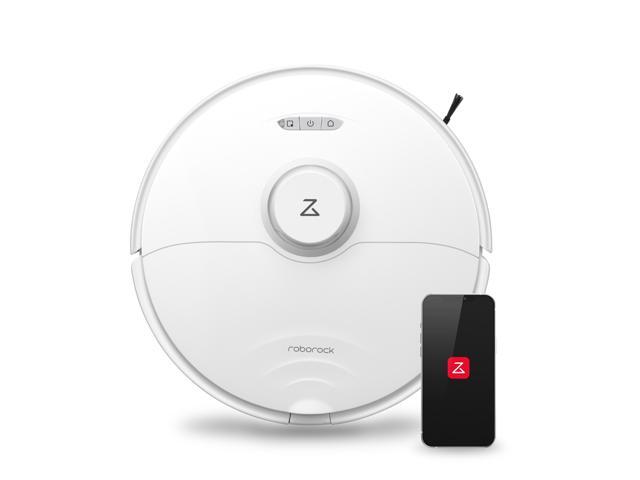
Your floors are dirty right now. Not embarrassingly dirty — just the low-level film of life that accumulates between vacuuming sessions that you keep meaning to do and keep being approximately too busy to actually do. There’s a machine that does it for you while you sit on the couch, and it is not the future — it is currently available on Amazon at a genuinely reasonable price.
The Roborock S8 uses ReactiveAI 2.0 to navigate around furniture, cables, and things left on the floor that you meant to put away. It vacuums and mops simultaneously with 6000Pa suction and a sonic mop that scrubs hard floors rather than just dragging a damp pad across them. The auto-lifting mop retracts automatically on carpet so it doesn’t get your rugs wet. The app lets you draw no-go zones, schedule cleanings by room, and check the cleaning map afterward to see exactly where it went. The genuine weakness is the full dust emptying dock (the S8+) costs meaningfully more — the base S8 requires you to empty the dustbin manually, which is still only once a week. For the best smart home device #1, nothing makes your daily life more hands-free than a robot that cleans your floors every morning while you have coffee.
The robot that silently does the chore you’ve been avoiding since Tuesday.
- Why it’s #1: Automates the most repetitive household task completely — vacuums and mops on a schedule while you do literally anything else
- Best for: Homes with hard floors, pet owners, people who hate vacuuming (everyone)
Bottom Line
The best smart home devices earn their place by making your home work for you — not the other way around. Start with smart plugs and a voice assistant to get a feel for the ecosystem, then build toward the Roborock S8, which genuinely automates one of life’s most tedious recurring tasks every single day.
Leave a Reply