
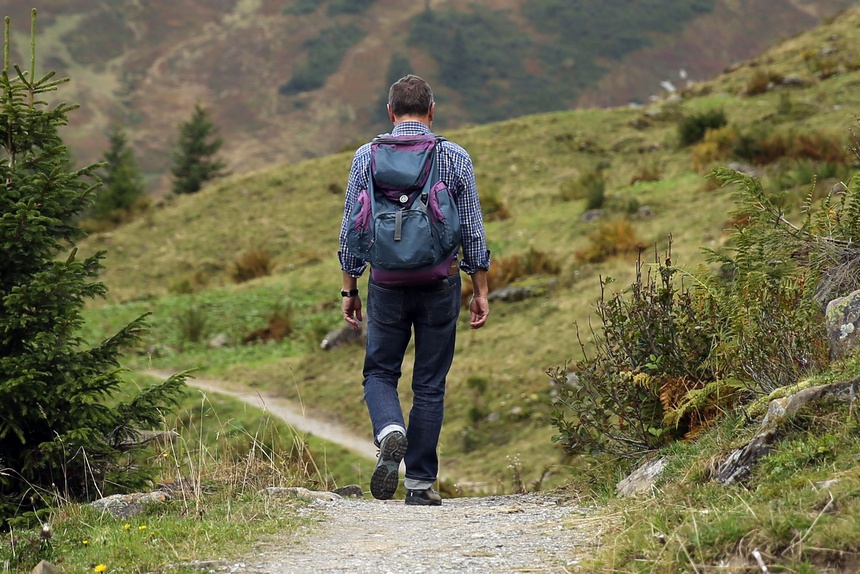
Somewhere along the way, “walking with a heavy backpack on” stopped being something you did reluctantly at the airport and became an actual fitness plan with its own gear, its own subculture, and its own smug little acronym. Rucking is just weighted walking, but the gear genuinely matters — the wrong pack turns twenty minutes into a shoulder-bruising ordeal, and the right one makes it disappear into the background. Here are the 10 things worth owning, from the cheap fixes to the pack the whole sport is quietly built around.
#10 — Darn Tough Light Hiker Socks
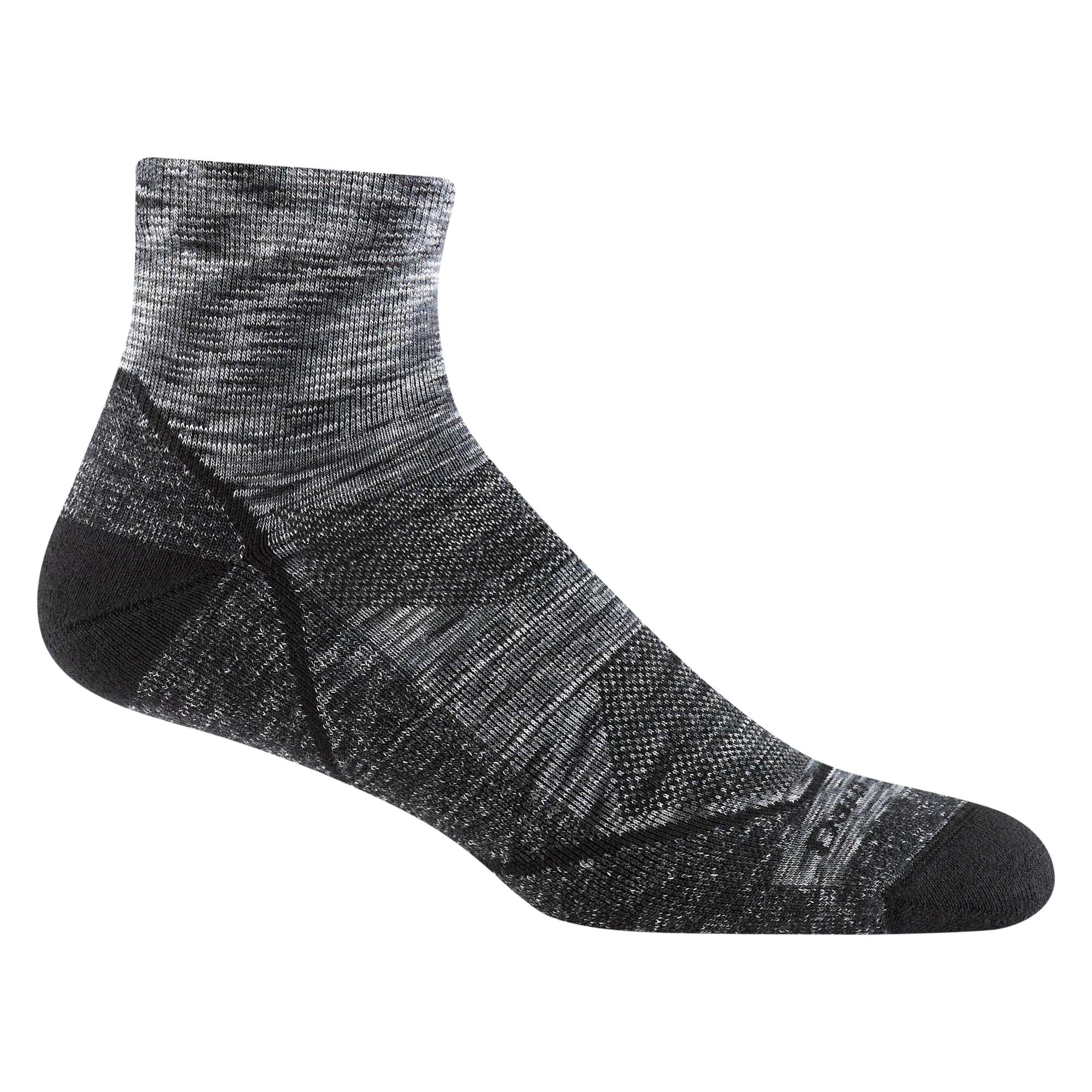
Picture this: mile three of your first ruck, and suddenly every step feels like your heel is being personally betrayed by your own sock.
Darn Tough’s Light Hikers are merino wool with just enough cushion at the heel and ball of the foot to matter under real load, and they come with a genuine lifetime guarantee — wear a hole through them and they’re replaced, no receipt archaeology required. The catch is they’re not cheap for “just socks,” and if you’re used to grabbing a 10-pack from a big box store, the price will sting a little the first time. Your feet, carrying extra weight for the first time, will not care about the sting.
The cheapest, least glamorous item on this list, and also the one that ends more first rucks early than anything else.
- Why it’s #10: The single highest-consequence-per-dollar item on this entire list — bad socks under load end a ruck fast.
- Best for: Literally everyone, starting with your very first mile.
#9 — HydraPak Contour 2L Reservoir

You know that moment forty minutes into a ruck when you realize the water bottle in your hand is now just extra weight sloshing around uselessly, and also you’re thirsty?
A low-profile 2-liter reservoir rides flat against your back inside whatever pack you’re using, with a bite valve that means you never break stride to drink. The one real annoyance: cleaning it properly between uses takes an extra minute or two you’ll be tempted to skip, and skipping it eventually gets you a reservoir that tastes faintly like a gym bag. Wash it. It’s worth it.
The unglamorous fix for the “am I actually hydrated or just carrying a water bottle” problem.
- Why it’s #9: Hands-free hydration that doesn’t add bulk or throw off your pack’s balance.
- Best for: Rucks over 30 minutes, or anywhere it’s hot enough that stopping to drink actually matters.
#8 — Cascade Mountain Tech Trekking Poles
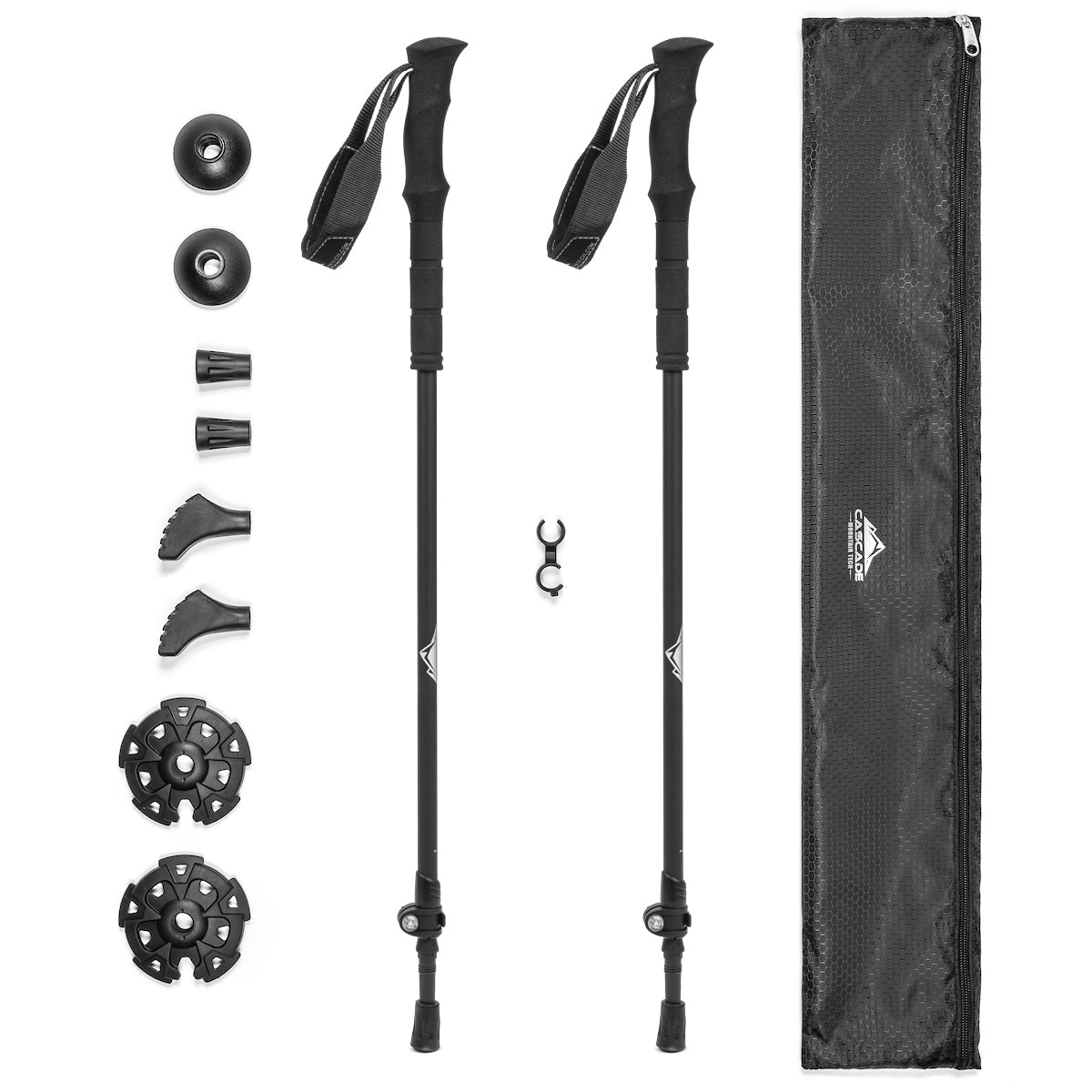
Here’s a situation: you’re twenty pounds heavier than usual (on purpose, for once) going downhill, and your knees are sending you a strongly worded memo about it.
Trekking poles take a meaningful chunk of load off your knees and hips on descents, and the quick-lock adjustment means you can actually set the right height instead of eyeballing it. The honest downside is that poles are one more thing to carry, stash, or forget at the trailhead, and on flat terrain they mostly just get in the way. Save them for actual hills.
Not necessary for a flat neighborhood ruck, essential the moment real elevation shows up.
- Why it’s #8: Genuine knee and joint relief on descents once you’re carrying real weight.
- Best for: Trail rucking with real elevation change, not flat pavement laps.
#7 — CAP Barbell Adjustable Weighted Vest
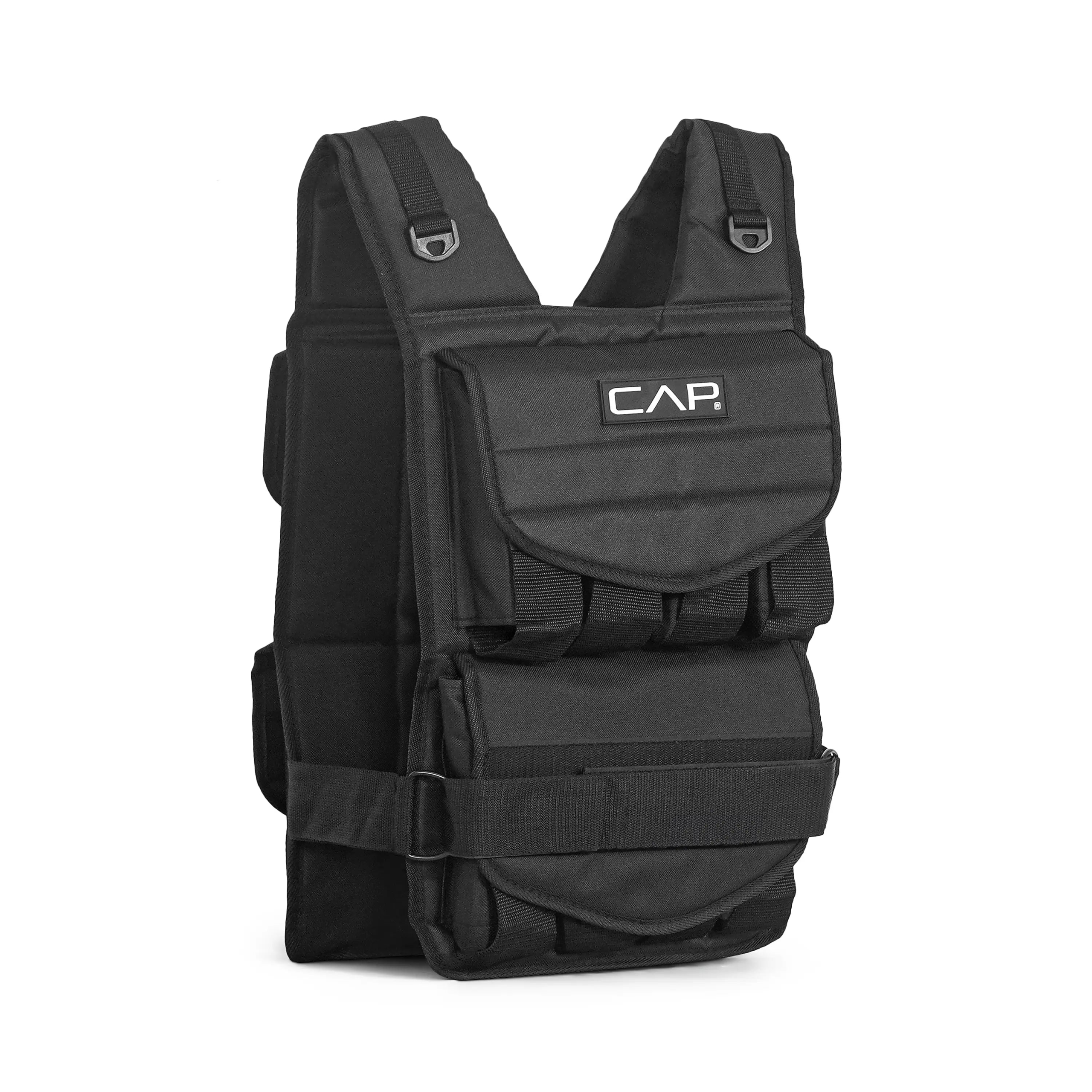
Picture this: you want to try rucking tonight, not after a two-week wait for purpose-built gear to ship.
This vest distributes weight with removable packets so you can start light and add more as it stops feeling like a personal attack, and it works fine for a first few weeks of testing whether rucking is actually for you. The real weakness shows up at higher weights and longer distances — the padding and strap system aren’t built for serious mileage the way a dedicated ruck rig is, and you’ll feel that difference once you’re past the “just trying it out” phase. Think of it as training wheels, not the bike.
The honest, no-commitment way to find out if you even like this before spending real money.
- Why it’s #7: Lets you start rucking tonight without committing to purpose-built gear first.
- Best for: Beginners testing the waters before buying anything more serious.
#6 — HOKA Speedgoat 6 Trail Running Shoe
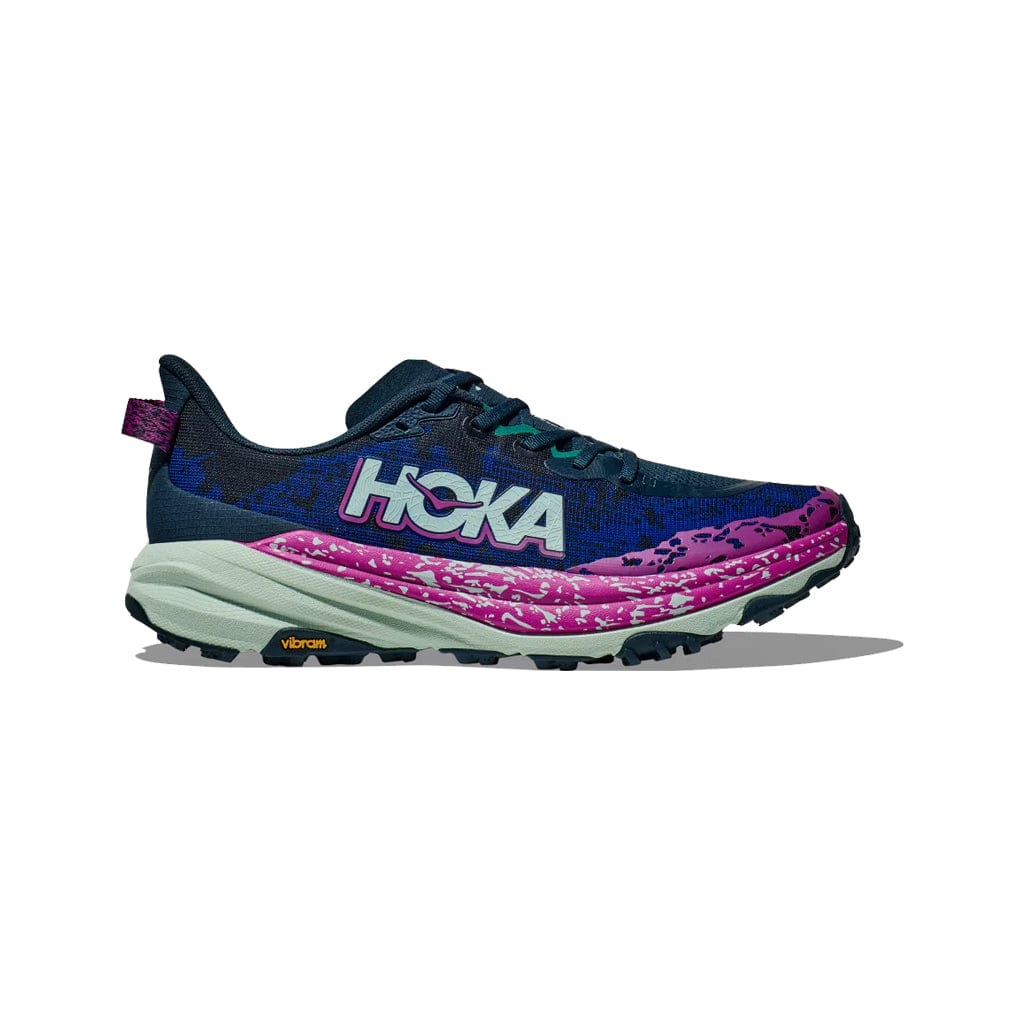
You know that feeling when your regular sneakers, which were fine for the gym, suddenly feel like wet cardboard the second you add twenty pounds and uneven ground?
The Speedgoat 6’s thick, protective midsole and aggressive Vibram outsole were built for exactly this kind of load-bearing terrain work, with enough underfoot cushion that the extra weight doesn’t turn every rock into a personal grievance. The tradeoff for that cushion is stability — the tall stack takes some getting used to, and your ankles will need a session or two to trust it on technical ground. Give it time before deciding it’s not for you.
Built for exactly the kind of abuse rucking puts a shoe through, not just tolerant of it.
- Why it’s #6: Purpose-built cushioning and traction for carrying real load over real terrain.
- Best for: Trail and mixed-terrain rucking, not just paved neighborhood loops.
#5 — GORUCK 20LB Ruck Plate

Here’s a situation: you’ve been rucking with random stuff stuffed in a backpack — books, a sandbag, whatever’s heavy — and it keeps shifting around and jabbing you in the spine.
A purpose-built steel plate sits flat against your back, doesn’t shift, doesn’t dig in, and comes in a fixed, known weight so you’re not guessing what you’re actually carrying. The catch is compatibility: GORUCK plates are cut to a specific curved shape and size that only fits GORUCK-style plate pockets, not generic 10×12 gym plates or a random daypack. You’re buying into a system, not just a weight.
The single upgrade that ends the “random heavy stuff in a bag” phase for good.
- Why it’s #5: A flat, stable, known weight that doesn’t shift or dig in the way loose gear does.
- Best for: Anyone who’s outgrown stuffing books or sandbags into a regular backpack.
#4 — 5.11 Tactical RUSH24 2.0 Backpack
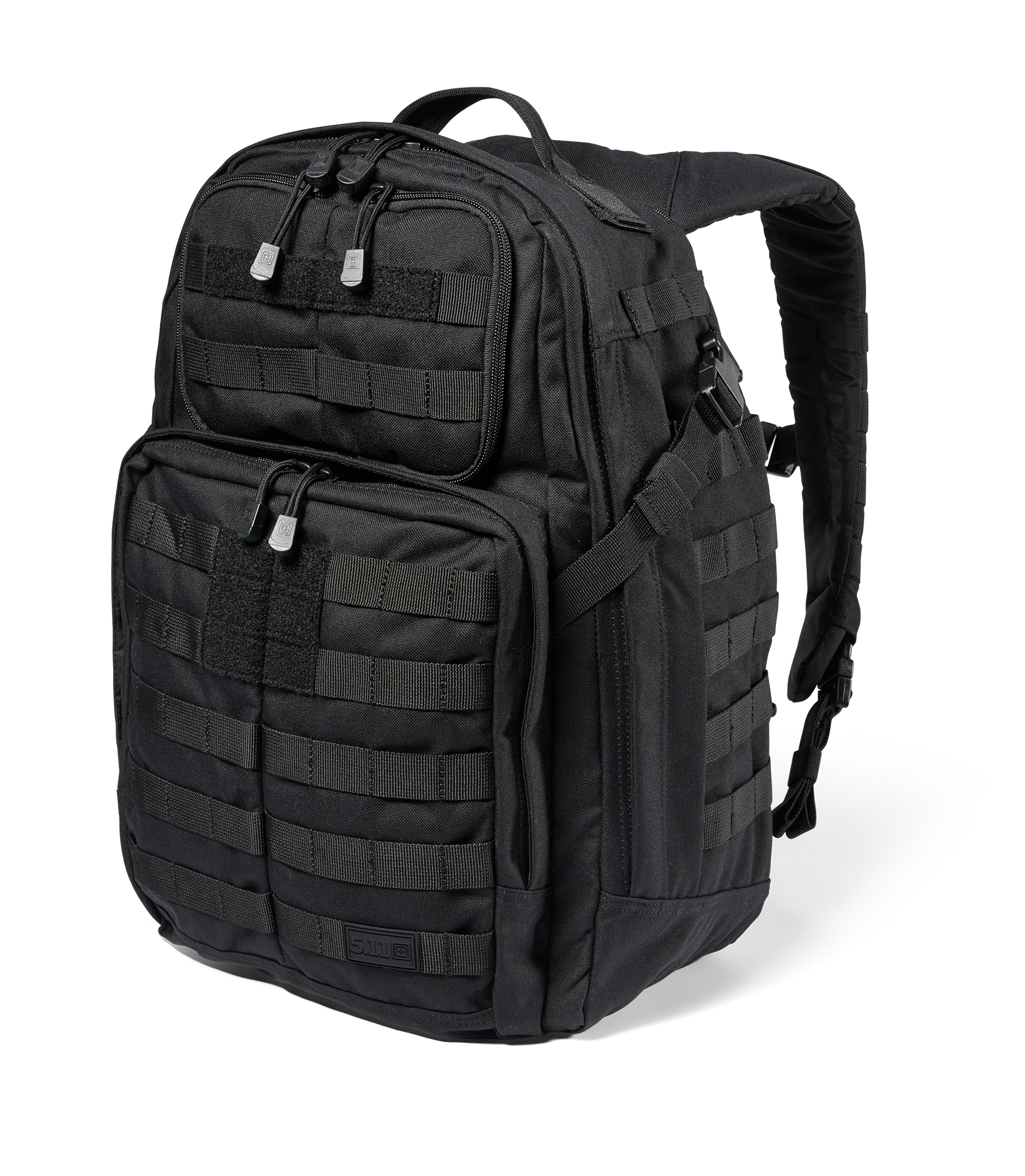
Picture this: you want to ruck, but you also don’t want a bag that only does one thing and then sits in a closet the other six days of the week.
The RUSH24 is a genuinely excellent everyday backpack first — laptop sleeve, dozens of organized compartments, MOLLE webbing for anyone who wants to customize it — that also happens to handle a plate or loose weight in its main compartment just fine. The real limitation is that it wasn’t engineered around a dedicated plate pocket the way purpose-built ruck packs are, so weight sits a little lower and less centered than it would in a true rucking rig. For someone who wants one bag that does both jobs well, that’s a fair trade.
The pick for “I want a great everyday bag that can also ruck,” not “I want the best possible ruck.”
- Why it’s #4: A genuinely great daily-carry backpack that doubles as capable rucking gear.
- Best for: One bag for both commuting and training, not a dedicated ruck-only setup.
#3 — Salomon Quest 4 GTX Hiking Boots
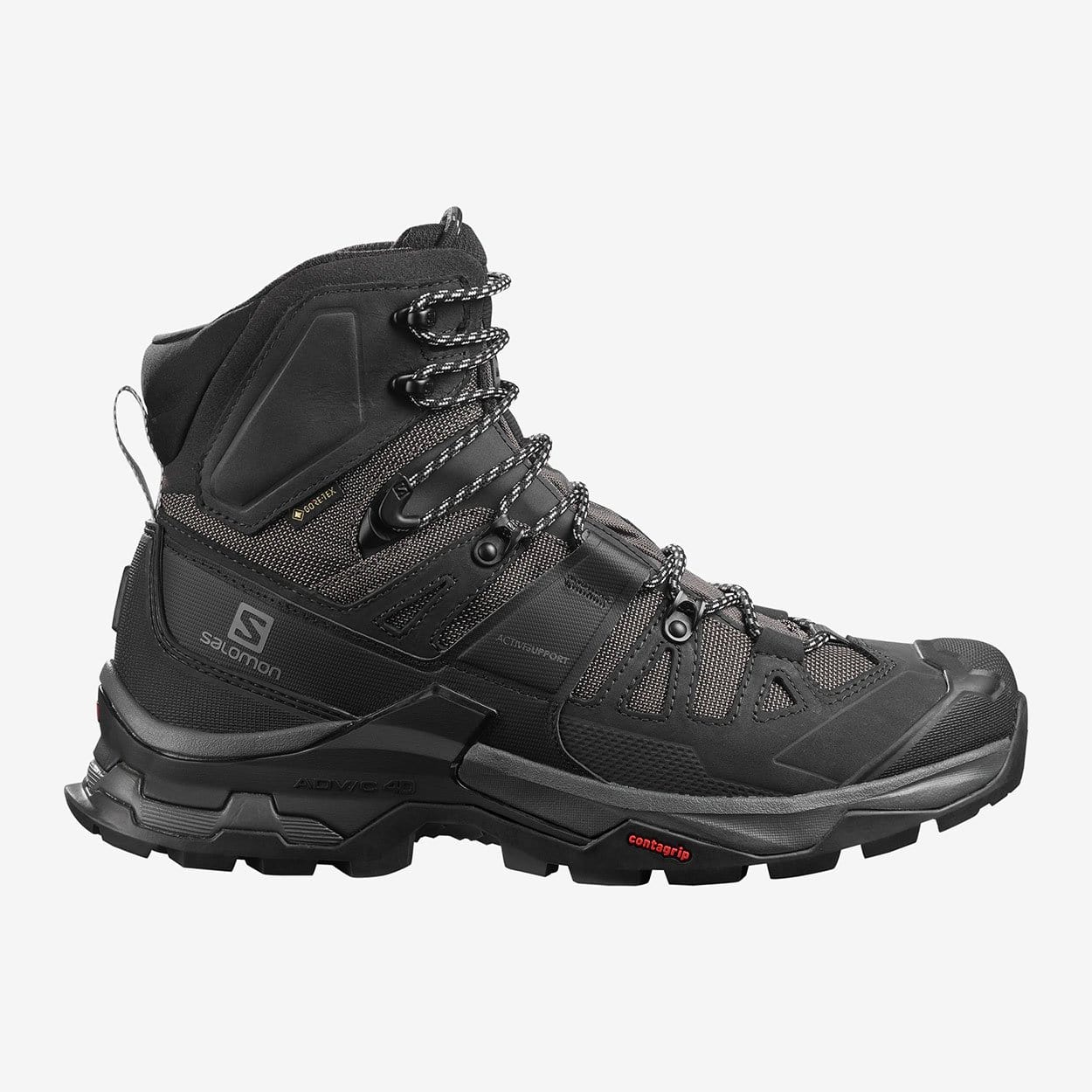
You know that moment when a trail shoe just isn’t enough ankle support anymore, because twenty extra pounds turns every loose rock into a genuine ankle-roll threat?
The Quest 4 GTX is a proper mid-height backpacking boot — waterproof GORE-TEX, a supportive internal chassis, and enough structure to keep your ankle honest on technical or wet terrain under load. The obvious downside is break-in time: this is a stiffer, more substantial boot than a trail runner, and wearing it for the first time on a long ruck instead of breaking it in gradually is how blisters happen. Wear them around the house first.
The step up once “trail shoe” stops feeling like enough support for the terrain and the weight.
- Why it’s #3: Real ankle support and waterproofing for technical or wet terrain under load.
- Best for: Longer rucks on rough or wet ground where ankle support actually matters.
#2 — GORUCK Rucking Weight Vest
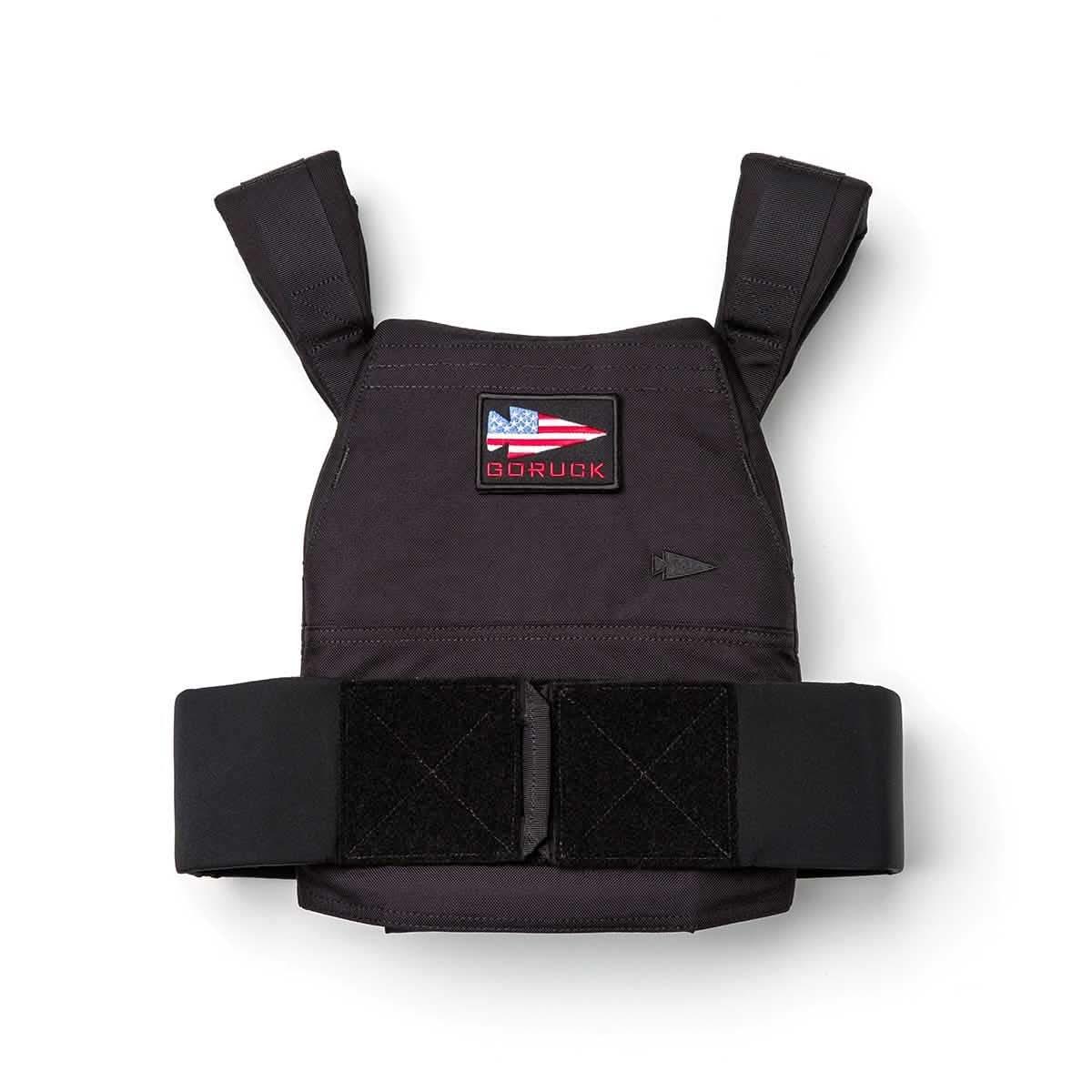
Here’s a situation: you’ve decided a backpack full of weight isn’t for you — it’s too bouncy, too shifty, too much like carrying a bag instead of training.
A proper rucking vest keeps the load centered directly against your torso instead of hanging off your back, and GORUCK’s curved plates have a cutout specifically so the weight doesn’t sit on your diaphragm and mess with your breathing on hard efforts. The real drawback is versatility — a vest is a vest, full stop, with none of a backpack’s ability to also carry water, layers, or your keys. You’re buying a training tool, not a piece of everyday gear.
The choice for people who’ve decided they want load training, specifically, and nothing else bundled in.
- Why it’s #2: Keeps weight centered and stable against your torso in a way no backpack can match.
- Best for: Dedicated load training, WODs, and shorter, harder efforts rather than long rucks with gear.
#1 — GORUCK Rucker 4.0
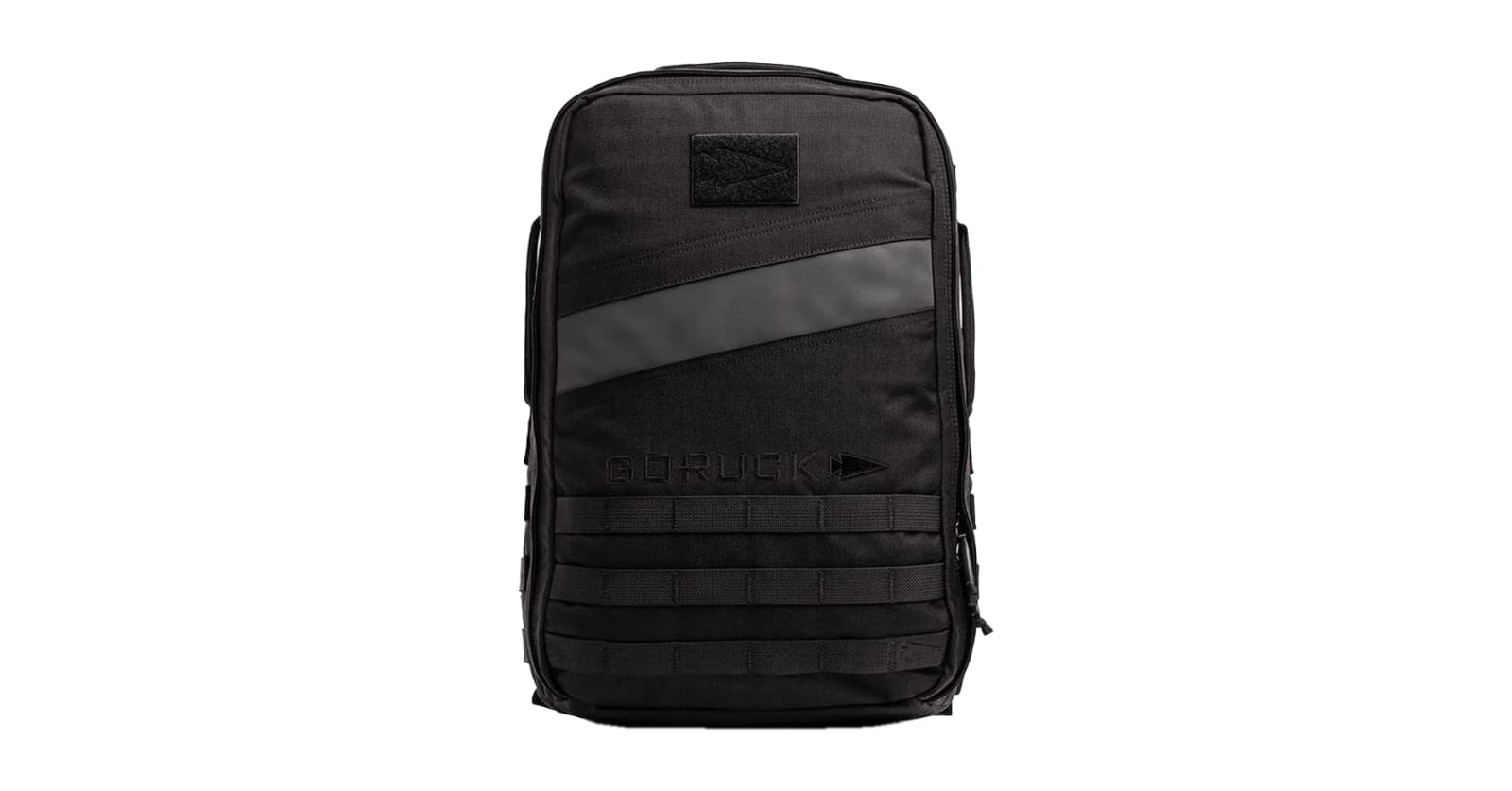
Every other pack on this list is either an improvised solution or a good bag that also happens to ruck. This one exists for exactly one reason, and it shows in every seam.
The Rucker was built from day one around an elevated plate pocket that keeps weight riding high and close to your shoulder blades instead of sagging toward your lower back, with 1000D CORDURA construction and padded straps that shrug off shirtless summer training without turning into a friction sander. The one real catch is that it commits hard to being a training tool — it’s not trying to also be your work bag or your travel carry-on the way the 5.11 above is. If you’ve decided rucking is a real, ongoing thing for you and not a phase, this is the bag the entire sport is quietly built around.
Everything else on this list is a very good supporting cast. This is the one people graduate to and never switch away from.
- Why it’s #1: Purpose-engineered plate placement and durability that every other option on this list is approximating.
- Best for: Anyone who’s decided rucking is a real, ongoing part of their training, not a trial run.
Bottom Line
You don’t need all ten of these to start — a decent pair of socks and whatever backpack you already own will get you through your first few rucks just fine. But if the habit sticks, the upgrade path is clear: better shoes and socks first, then real weight instead of improvised gear, and eventually the Rucker, which is less a purchase than an admission that this is officially a thing you do now.
Leave a Reply