
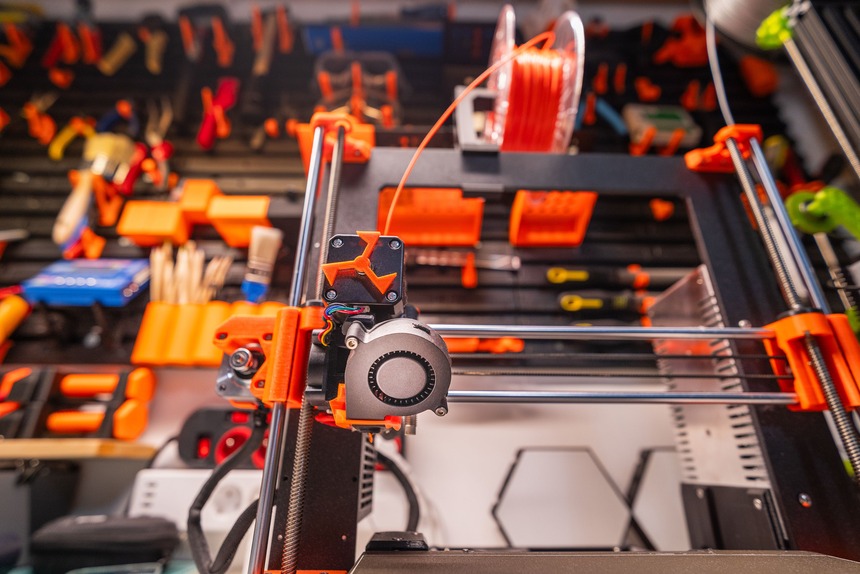
3D printing crossed over from niche hobby to genuinely accessible creative outlet, and the right setup is the difference between loving it and giving up after one failed print. Here are the 10 worth having.
#10 — Phrozen Professional 3D Printing Gloves
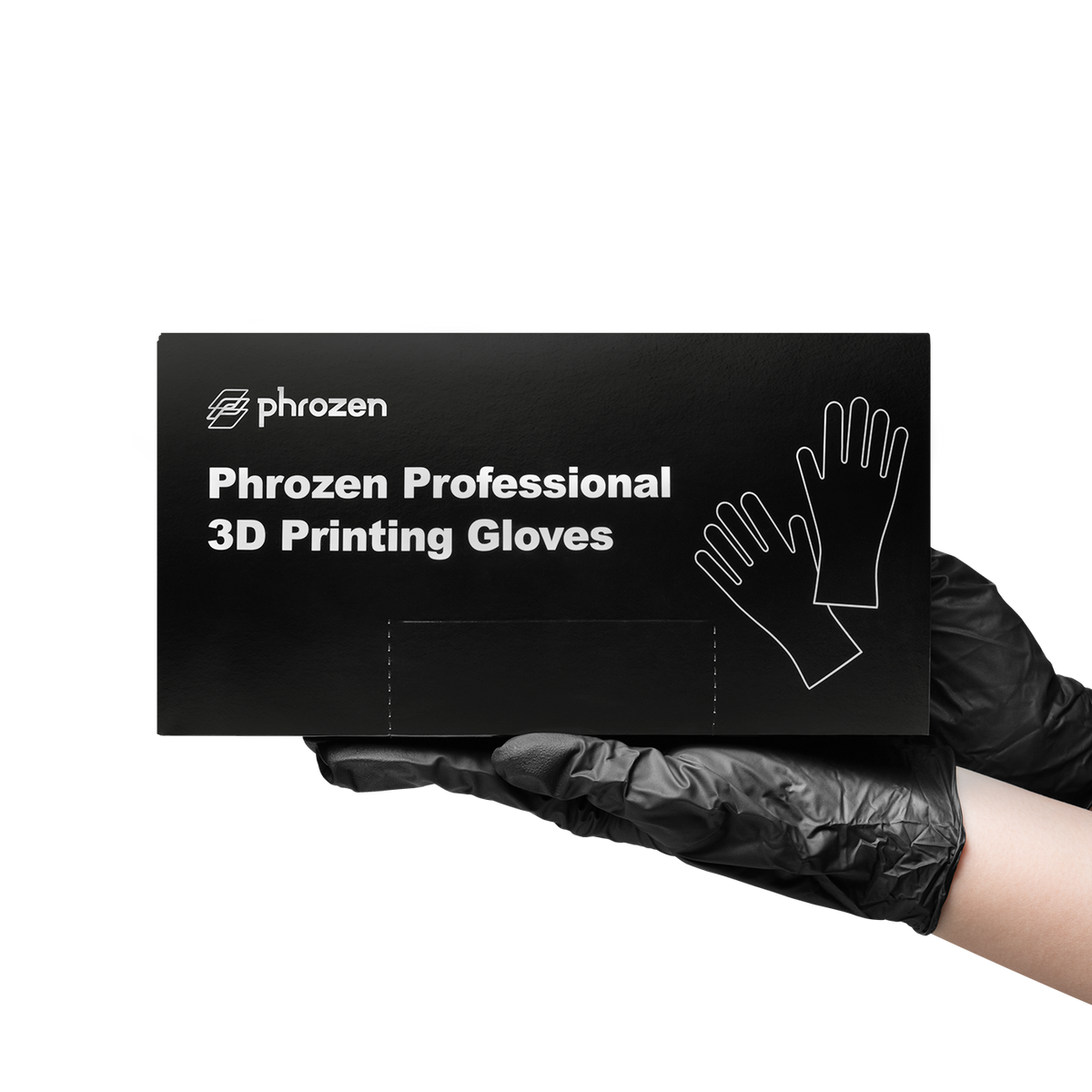
Resin printing looks clean right up until uncured resin actually touches skin, and that’s exactly the moment it turns into a genuine irritation risk instead of a hypothetical one.
These powder-free nitrile gloves exist specifically for that handoff — handling wet resin prints, wiping down a build plate, or pouring resin back into a bottle without direct skin contact. Being corrosion-resistant to isopropyl alcohol matters too, since that’s the standard resin-cleaning solvent and cheaper gloves start breaking down after repeated exposure. The one limitation is this is entirely a resin-printing accessory — FDM/filament printing has no equivalent skin-contact risk. But for anyone running a resin printer, that’s not optional safety gear, it’s a genuine requirement.
The gear that turns resin handling from a risk into a formality.
- Why it’s #10: Genuine chemical-resistant protection for the specific hazards of resin printing
- Best for: Anyone running a resin printer, not just FDM/filament setups
#9 — EnderToys 3-Tier Miniature Display Stand
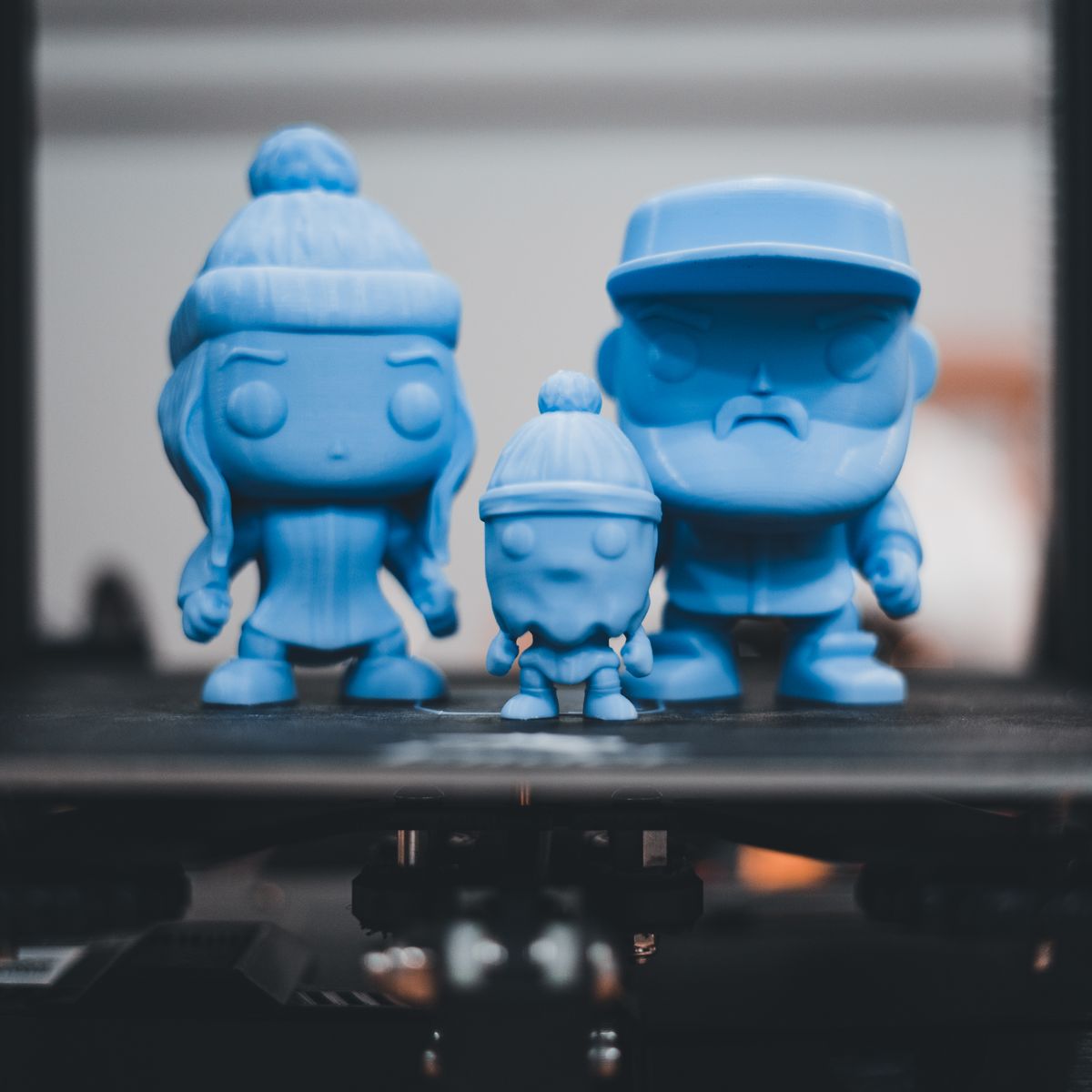
A finished print that gets set on a shelf and forgotten defeats half the appeal of the hobby — tabletop miniatures and figures are meant to actually be looked at and used, not boxed away.
This tiered stand gives up to 15 finished 32mm miniatures their own dedicated, visible spot, with joint-connector clips that let multiple shelves interlock as a print collection grows. It’s genuinely made by the same kind of maker community this list is aimed at, not a mass-market accessory. The one limitation is it’s sized specifically for 32mm tabletop-scale bases — larger prints or different scales won’t fit. But for the exact niche of tabletop RPG and wargame miniatures, that’s precisely the size it should be.
The shelf that finally shows off finished prints instead of hiding them in a box.
- Why it’s #9: Purpose-built display for exactly the miniatures this hobby produces most
- Best for: Tabletop RPG and wargame miniature painters and printers
#8 — HICTOP PEI Build Plate
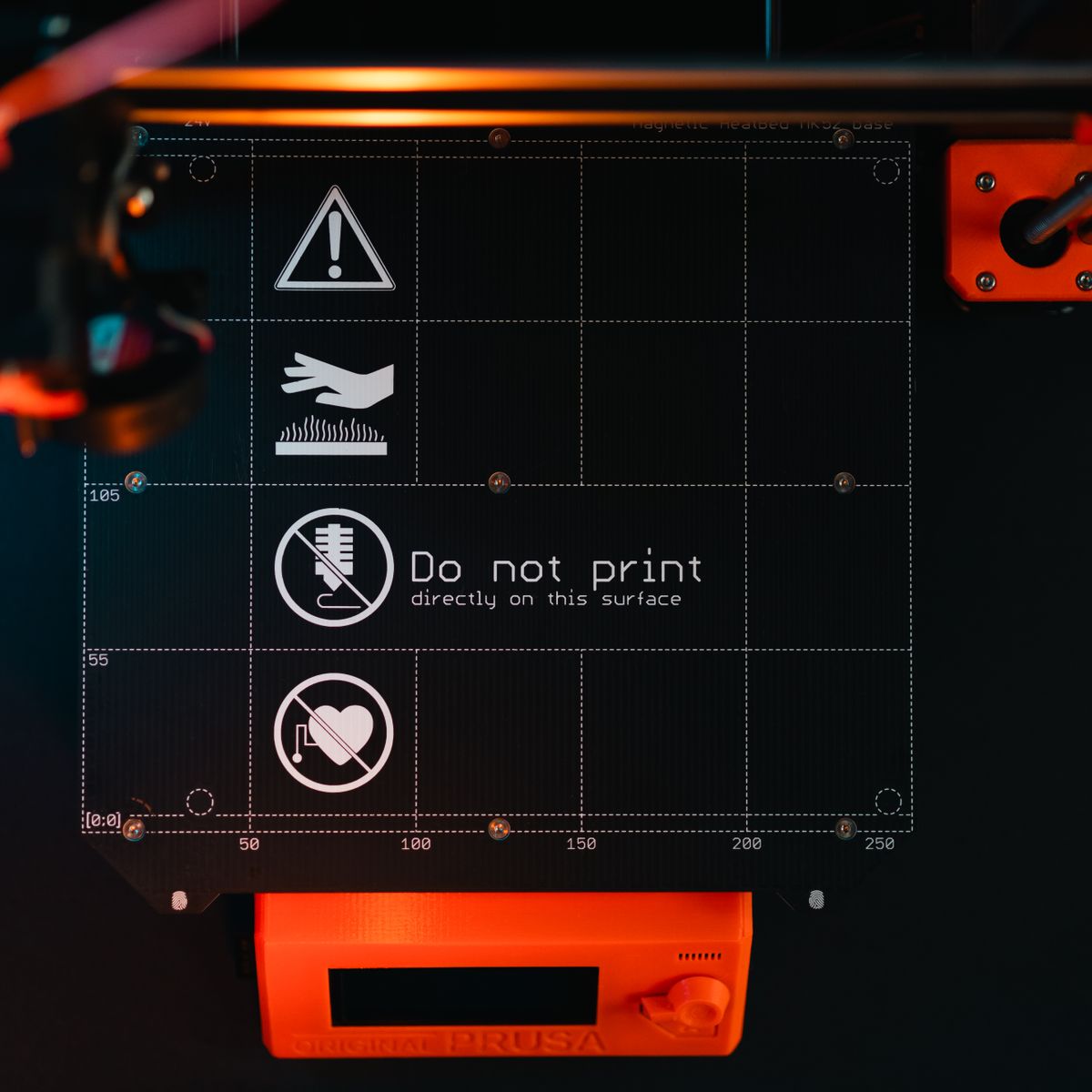
A print that looked perfect right up until it wouldn’t peel off the bed without snapping in half is one of the more demoralizing failure modes in the entire hobby.
A textured PEI plate solves that specific problem — genuine grip while the bed is hot, then the surface flexes slightly as it cools so finished prints pop off clean without glue sticks, hairspray, or any of the other bed-adhesion workarounds. The dual-sided design (textured and smooth) means one plate actually covers two different finish styles instead of needing two separate purchases. The one catch is it’s sized to specific printer models, so measuring the existing bed first is non-negotiable. But for ending fights with a bed that won’t release a finished print, that’s a small step.
The upgrade that ends prints welding themselves to the bed.
- Why it’s #8: Genuine no-glue adhesion that releases cleanly once the bed cools
- Best for: Anyone still fighting glue sticks and hairspray for bed adhesion
#7 — ikkle Filament Storage Rack
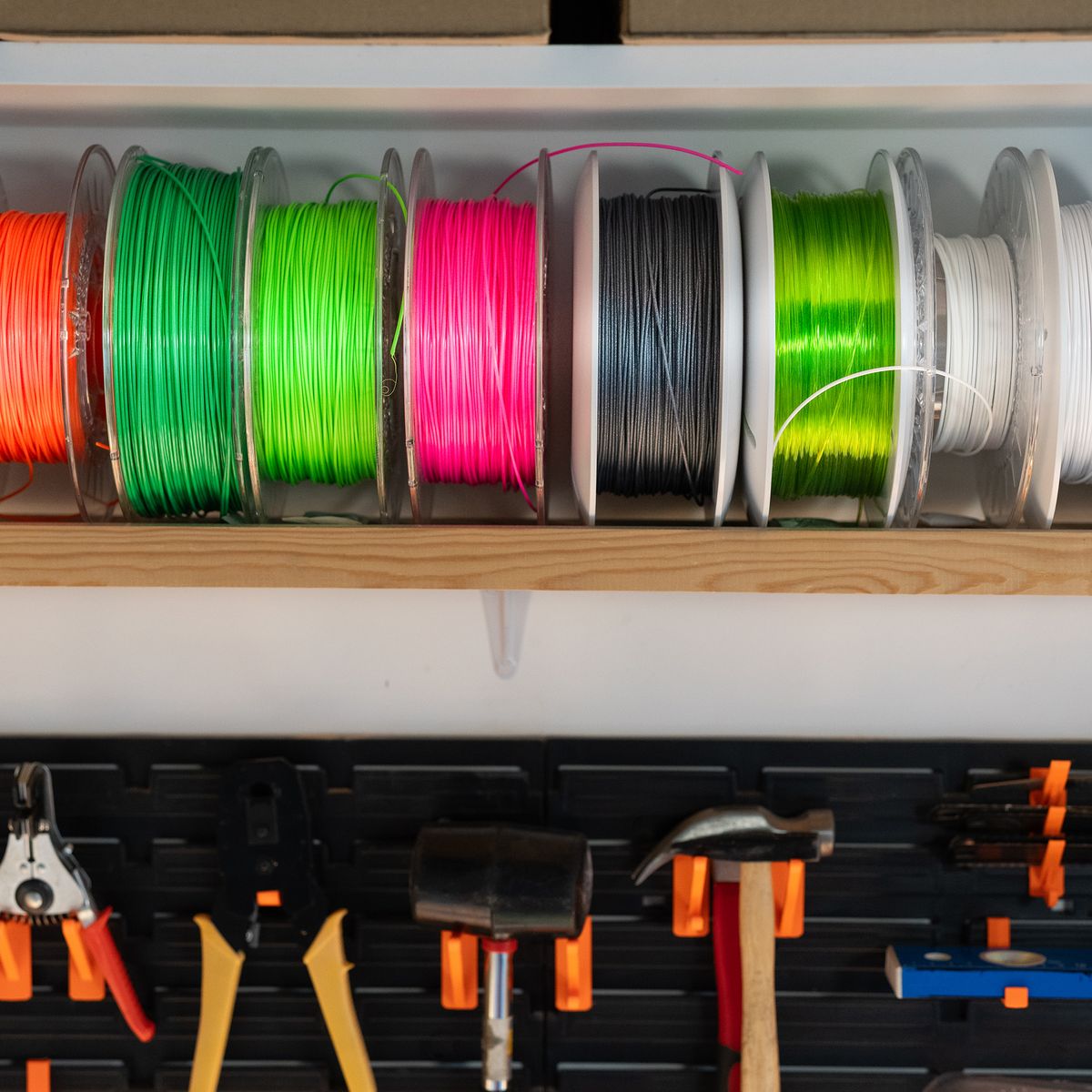
A hobby that starts with one filament spool ends up with a dozen colors within a few months, and a pile of loose spools rolling around a shelf makes finding the right color a genuine hunt.
This wall-mounted rack gives every spool a fixed, visible slot instead, so grabbing “the teal one” doesn’t mean digging through a pile first. Mounting it vertically also reclaims desk or shelf space that loose spools would otherwise eat up flat. The one limitation is it’s an open rack, not a sealed one — it organizes filament but doesn’t protect it from humidity the way a dry box does. But paired with a dry box for whatever’s actively printing, this handles the rest of the collection well.
The rack that turns a pile of loose spools into an actual color library.
- Why it’s #7: Every spool gets a fixed, visible slot instead of a rolling pile
- Best for: Anyone whose filament collection has outgrown a single shelf
#6 — Creality Glue Stick for Build Plates
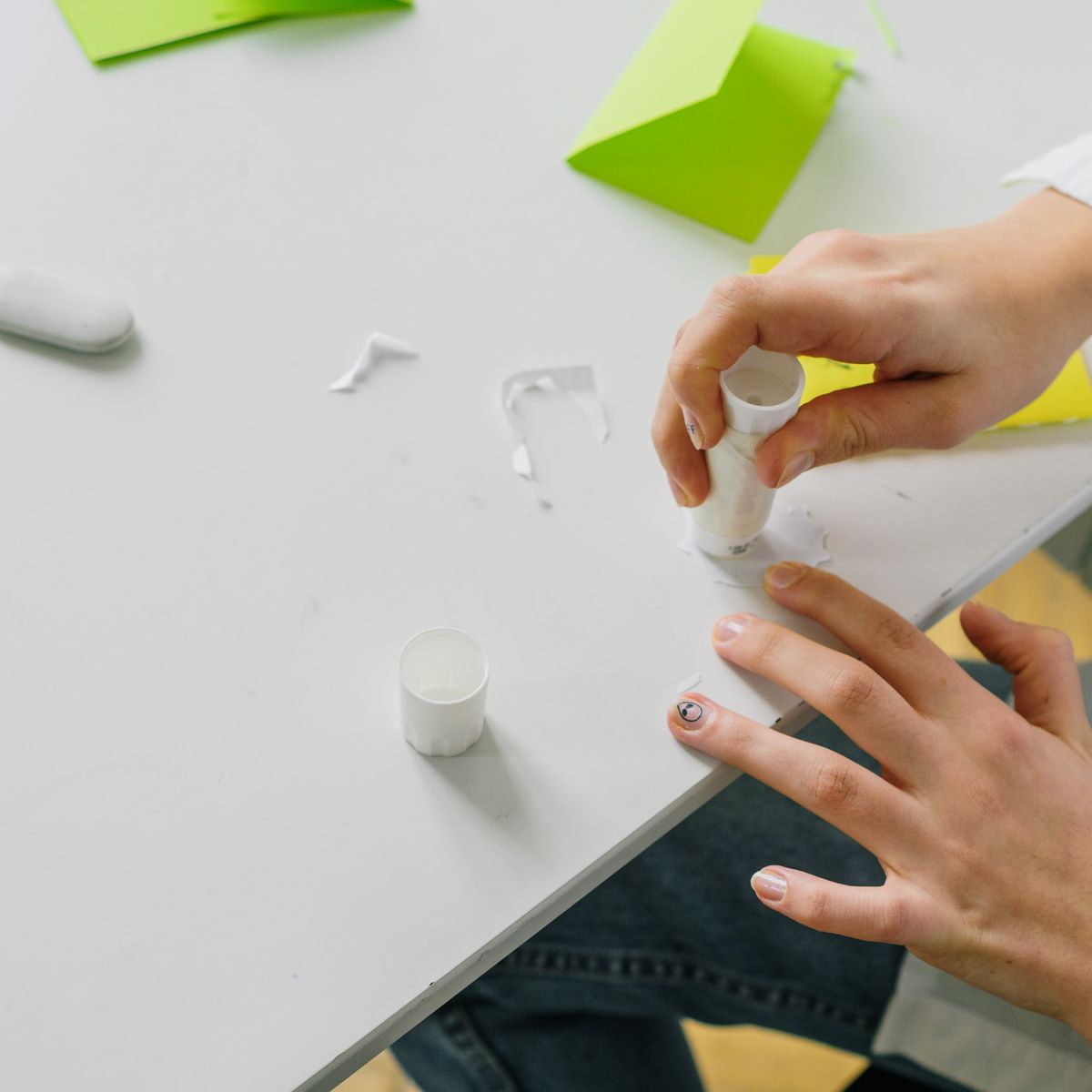
Warping is the specific failure where the corners of a print curl up mid-job, and it happens most on plain glass or bare metal beds with nothing helping the first layer actually grip.
A thin coat of this glue stick fixes that directly — a water-soluble layer that gives the first layer of filament something to actually bite into, then washes off completely with water when the print is done, leaving no residue behind. It’s a five-second step before a print starts that prevents a genuinely common failure. The one drawback is it needs reapplying periodically as it wears down with each print. But that small maintenance step is far cheaper than a ruined print halfway through a multi-hour job.
The five-second step that prevents the most common cause of warped prints.
- Why it’s #6: A genuinely effective, washable fix for warping and poor bed adhesion
- Best for: Bare glass or metal beds without a textured PEI surface
#5 — AMX3d 25-Piece Finishing Tool Kit
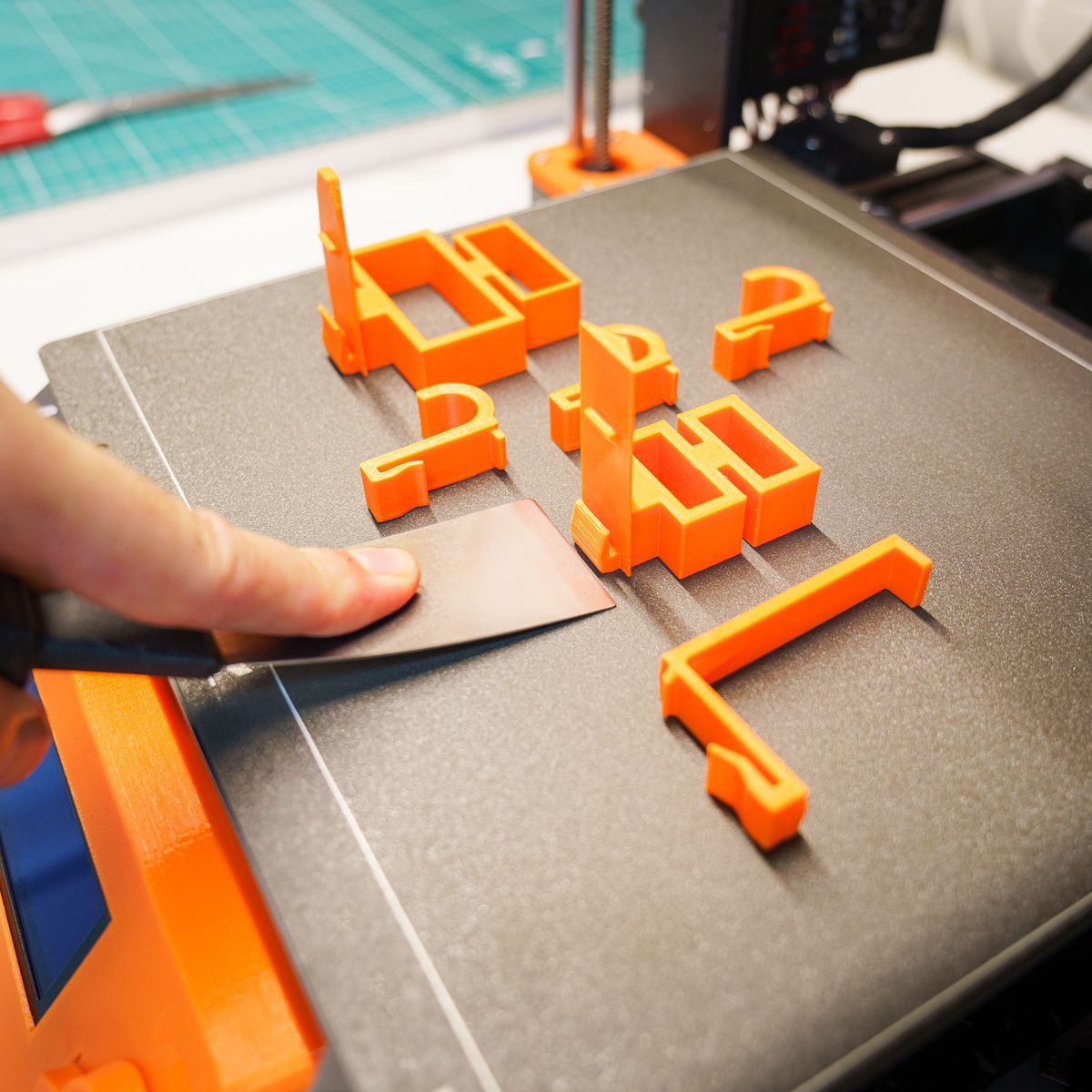
A finished print almost never comes off the bed clean on the first try, and prying at it with whatever’s on hand is exactly how a good print gets a chipped corner or a scratched bed.
This kit is built around that exact moment — a proper metal scraper for lifting prints without gouging the bed, precision knives for cleaning up stray strings and support material, and needle-nose pliers for snapping off supports in tight spots. Having the right tool for each specific finishing step is the difference between a clean final part and one with visible tool marks. The one catch is 25 pieces is genuinely more than any single project needs at once. But across dozens of prints over time, having the specific right tool on hand adds up.
The kit that means the right tool is always the one actually in reach.
- Why it’s #5: Purpose-built tools for removal and finishing instead of improvised ones
- Best for: Anyone who’s chipped a print or scratched a bed prying with the wrong tool
#4 — OLYCRAFT Nozzle Cleaning Tool Kit
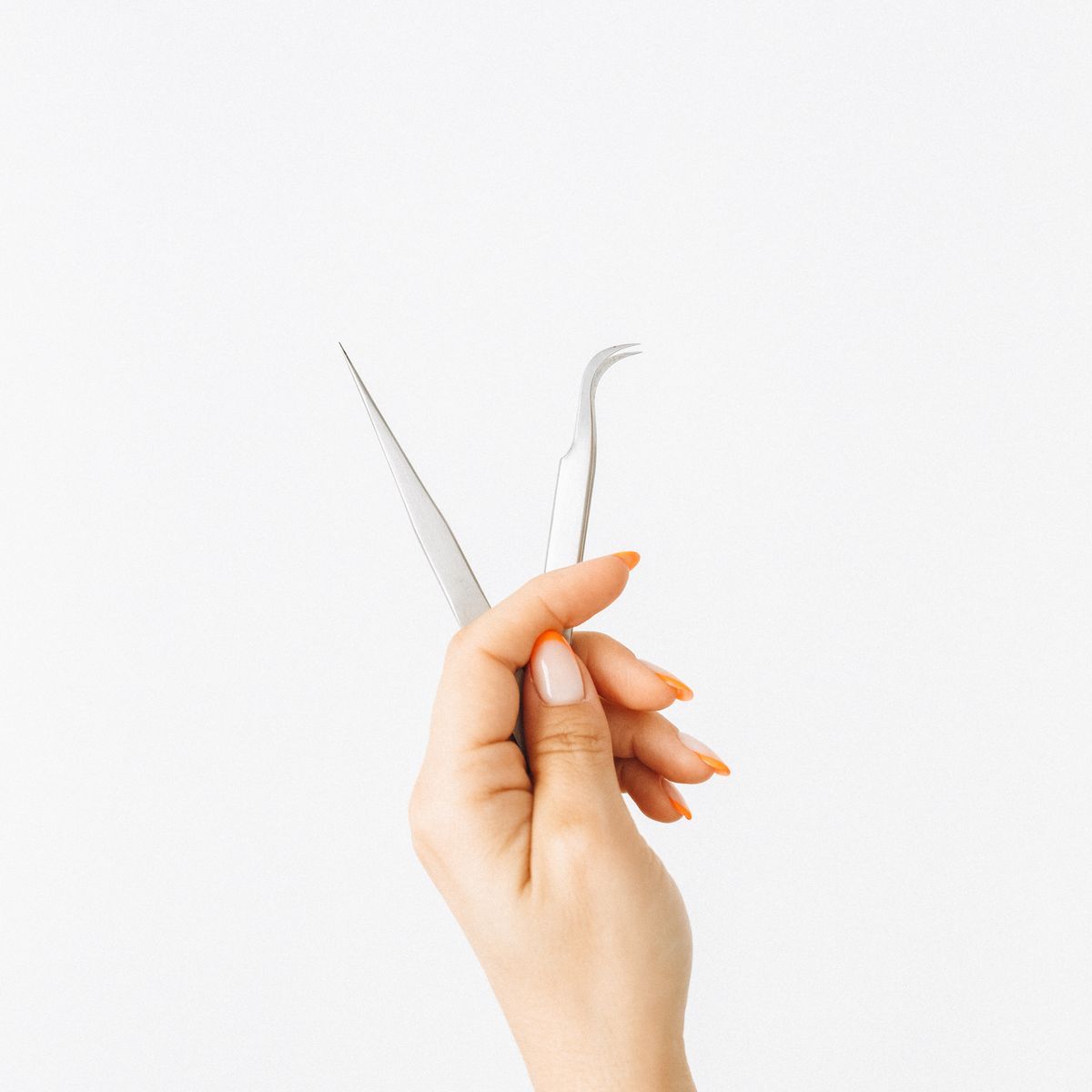
A clogged nozzle is one of the most common reasons a print fails mid-job, and it happens to every printer eventually as tiny debris or slightly burnt filament builds up inside.
This kit gives that maintenance job actual purpose-built tools instead of whatever thin wire happens to be lying around — sized cleaning needles that match standard nozzle diameters, plus scrapers and brushes for the buildup around the nozzle itself. Keeping a printer’s nozzle genuinely clear is routine maintenance, not an occasional emergency fix. The one limitation is these tools handle prevention and light clogs — a nozzle that’s fully seized usually still needs a full replacement. But for the regular maintenance that prevents it from getting that bad, this covers it.
The maintenance kit that keeps a clogged nozzle from becoming a real problem.
- Why it’s #4: Purpose-sized tools for the single most common cause of failed prints
- Best for: Routine nozzle maintenance before a clog becomes a real problem
#3 — Creality Filament Dryer Box 2.0
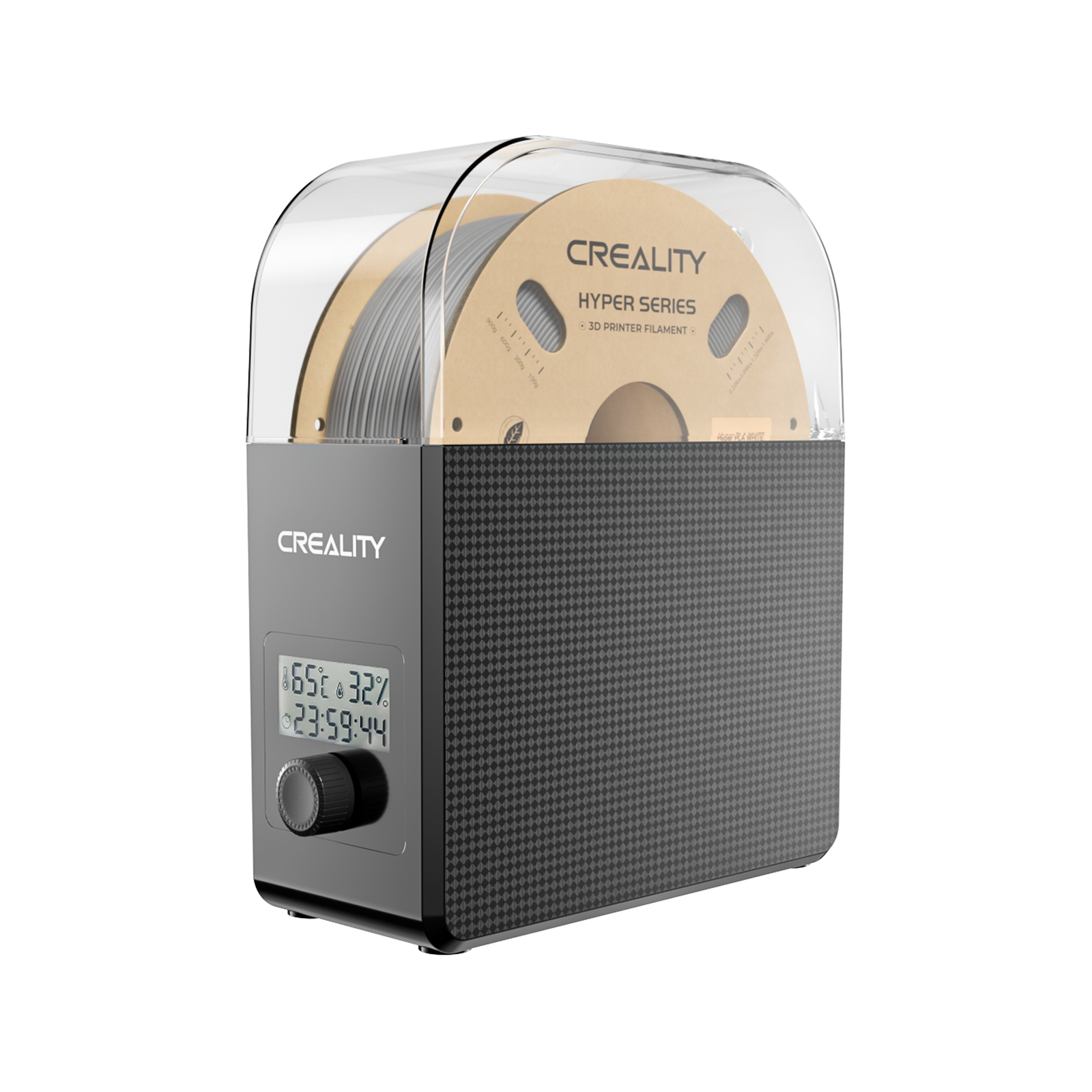
Filament quietly absorbs moisture from the air over time, and once it does, prints start showing tiny popping sounds, rough surfaces, and stringy blobs that have nothing to do with the printer itself.
This dryer box fixes that at the source — adjustable heat from 45-65°C actively pulls moisture back out of the spool, with a real-time digital display showing exact temperature and a 24-hour timer so filament can dry unattended overnight. It’s the accessory most likely to fix mystery print-quality problems that look like a printer issue but are actually just wet filament. The one catch is it’s an active appliance that needs a dedicated spot and power, not a passive storage solution. But for filament that’s already showing print defects, that’s the actual fix rather than another bed adjustment.
The fix for print defects that were never actually the printer’s fault.
- Why it’s #3: Actively reverses moisture damage instead of just preventing future exposure
- Best for: Mystery print defects that keep happening despite a properly tuned printer
#2 — HATCHBOX PLA Filament
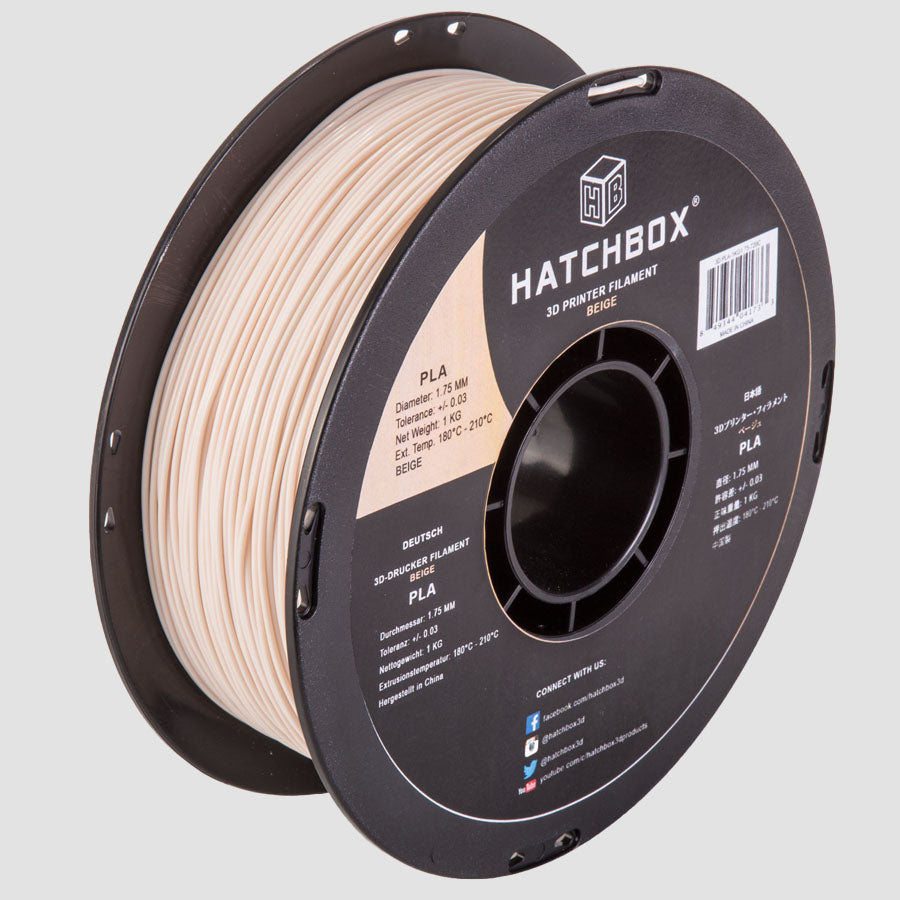
Every single print starts with a spool of filament, and cheap, inconsistent filament causes more failed prints than a poorly tuned printer ever will.
Hatchbox has built a reputation specifically on dimensional consistency — a tight +/- 0.03mm tolerance that means the printer’s extruder gets a steady, predictable feed instead of fighting inconsistent thickness the whole way through a print. PLA specifically is also the easiest material to start with, printing at lower temperatures with minimal warping compared to ABS or other filaments. The one honest limitation is PLA is less heat and impact resistant than tougher materials, so it’s not the right choice for functional parts under real stress. But for learning the hobby and printing the vast majority of everyday objects, that’s rarely the deciding factor.
The material every single print actually starts with.
- Why it’s #2: Genuine dimensional consistency that prevents feed-related print failures
- Best for: Beginners and anyone printing the everyday majority of non-structural parts
#1 — Bambu Lab A1 mini
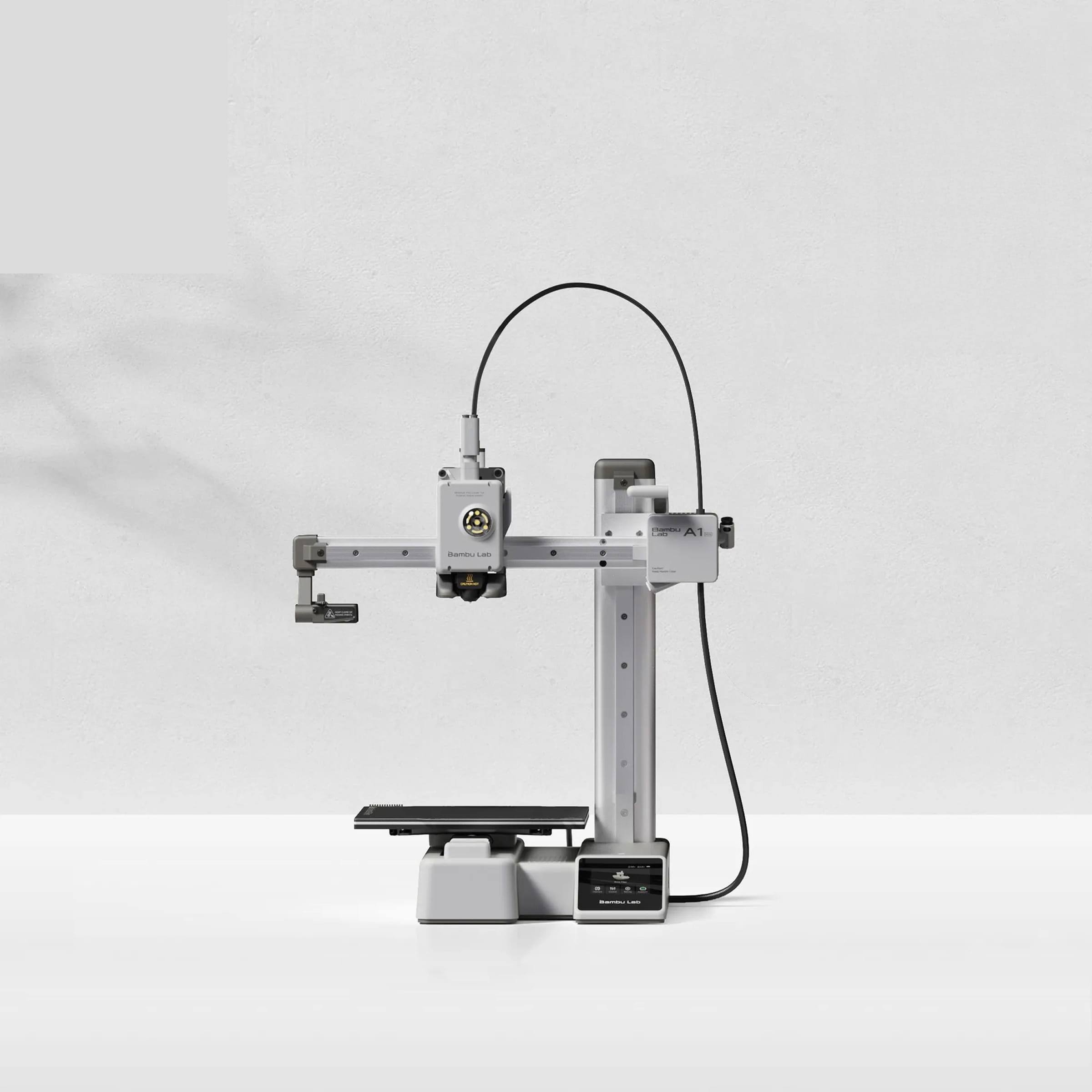
Every accessory on this list exists to support one thing — an actual printer capable of turning a digital file into a real object, reliably, without a steep learning curve standing in the way first.
The A1 mini is the reason this specific hobby went from “expensive nerd pursuit” to genuinely accessible for a beginner — full-auto bed leveling and flow calibration mean a first print can genuinely happen within 20 minutes of unboxing, with none of the manual tuning that scared beginners away from older printers. The touchscreen interface and quick-swap nozzle also mean day-to-day use stays simple well past the first print. The one real limitation is its smaller 180x180x180mm build volume compared to full-size machines, so genuinely large single-piece prints aren’t possible on this model. But for actually starting the hobby instead of just reading about it, that trade-off is the right one to make.
The printer that turned “someday” into a 20-minute setup.
- Why it’s #1: Full-auto calibration removes the exact learning curve that used to scare beginners away
- Best for: Actually starting the hobby, not just reading about starting it
Bottom Line
Start with the printer and a genuinely reliable filament — the Bambu Lab A1 mini and Hatchbox PLA solve the two biggest reasons people quit early: a frustrating setup and inconsistent prints. Everything else on this list is what turns occasional prints into an actual ongoing hobby.
Leave a Reply