You’re doing everything right. You’ve read the articles. You’ve downloaded the sleep app. You’ve even tried going to bed at 10 PM like some kind of person who has their life together. And yet here you are at 2 AM, staring at the ceiling, mentally rehearsing every awkward thing you’ve ever said. Here are the 10 products that actually fix the problem.
#10 — Coop Home Goods Original Adjustable Pillow
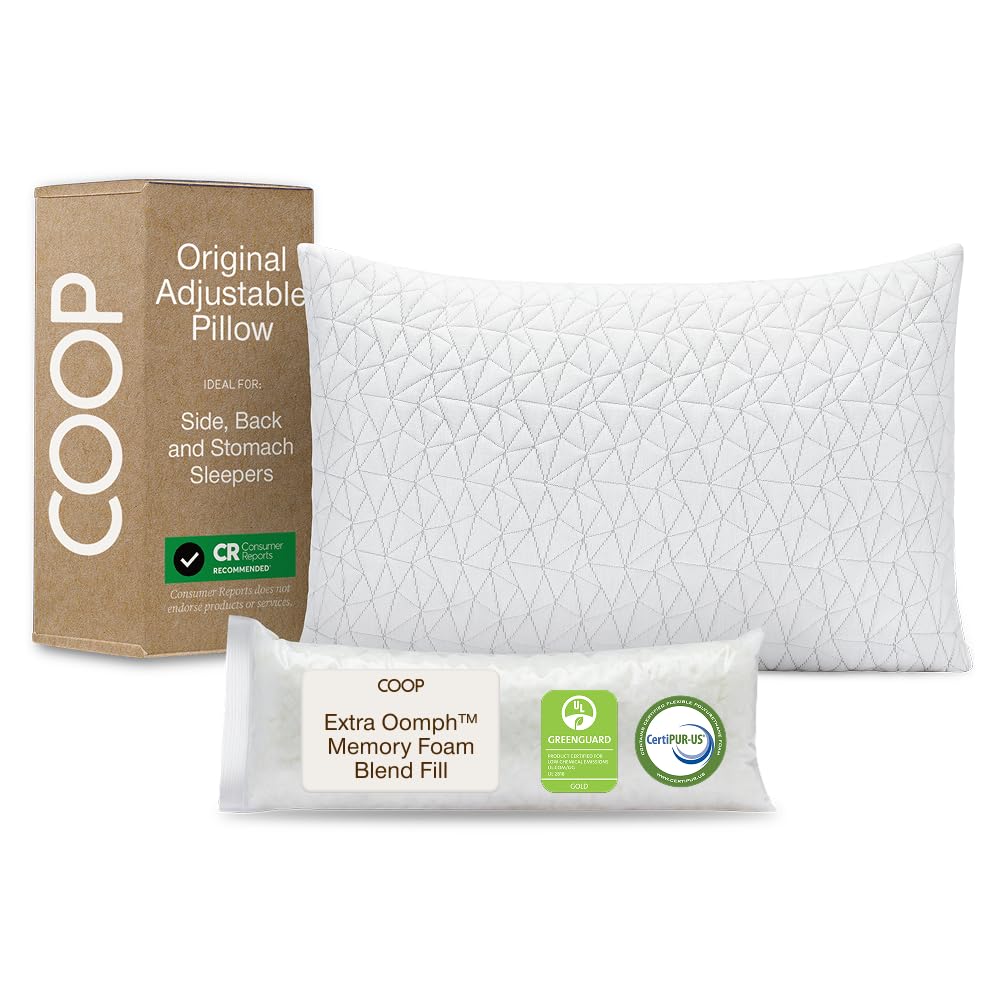
You’ve been sleeping on a pillow that’s basically a bag of regrets — too flat, too lumpy, or somehow both at once. Your neck has developed opinions about this and it shares them every single morning.
The Coop Home Goods Original is a shredded memory foam pillow you can actually customize by adding or removing fill until it’s exactly right for how you sleep. Back sleeper? Add more. Stomach sleeper? Take some out. Side sleeper? Max it out and never look back. The only real knock: the fill feels a little crunchy at first until it breaks in over a week or two. Worth the patience.
The pillow you’ve been looking for your whole life was just… adjustable this whole time.
- Why it’s #10: The foundation of good sleep starts before any gadget — and most people are sleeping on the wrong pillow
- Best for: Anyone who’s bought three pillows in a year and hated all of them
#9 — SomniFix Sleep Strips

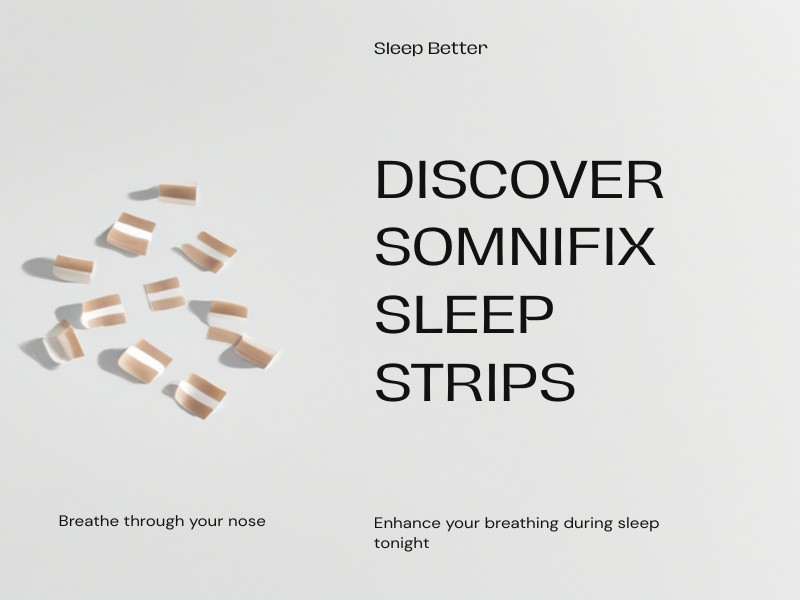
You wake up every morning with a sandpaper mouth, a low-grade headache, and the vague sense that you’ve been breathing like a cartoon villain all night. Your partner has thoughts about this. Loud thoughts.
SomniFix are small, gentle adhesive strips that encourage nose breathing by keeping your mouth lightly closed while you sleep. The result: less snoring, less mouth breathing, better oxygen uptake, and mornings where you don’t immediately need a liter of water. They have a vent in the center so you can still breathe through your mouth if needed, which makes them feel less alarming than they sound. The downside is they’re consumable — there’s an ongoing cost. But at about 65 cents a strip, it’s cheaper than whatever you’re spending on ibuprofen for those morning headaches.
Twenty dollars to stop breathing like you’re haunting your own bedroom.
- Why it’s #9: Fixes mouth breathing and snoring without a machine, a mask, or a prescription
- Best for: Mouth breathers, light snorers, anyone waking up with a dry mouth
#8 — Yogasleep Dohm Classic White Noise Machine
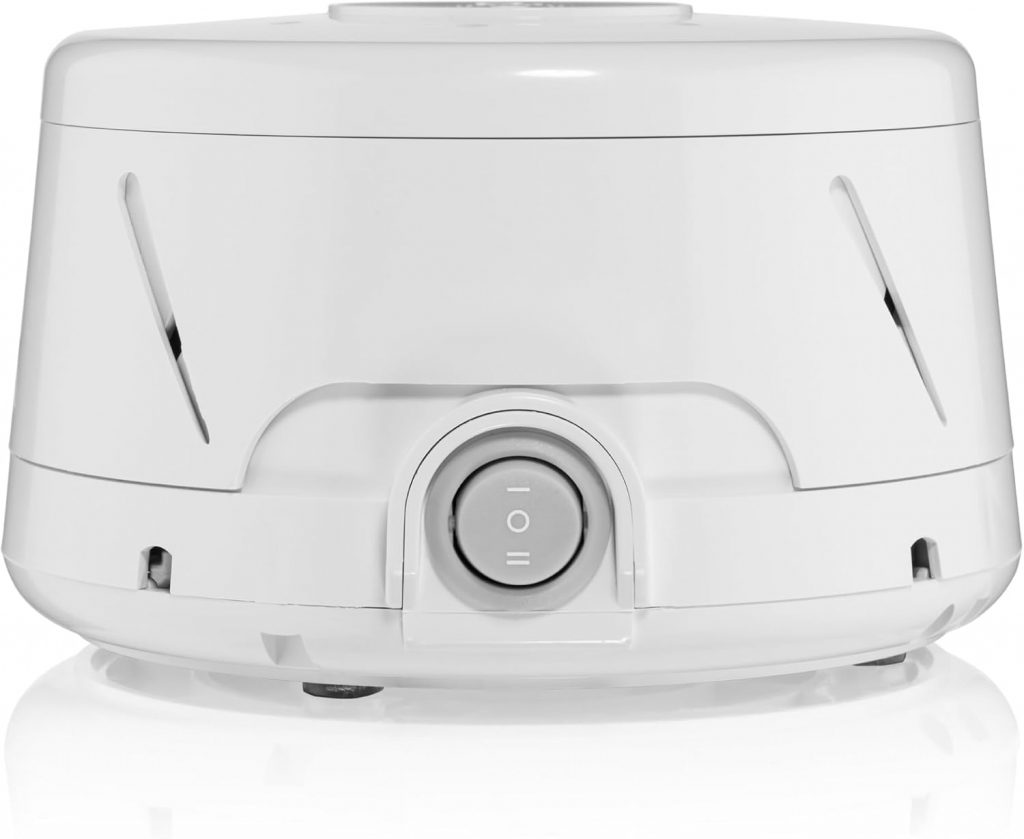
Your neighbor’s dog has chosen 3 AM as his prime operating hours. The couple upstairs is training for some kind of floor-stomping competition. You’ve started cataloging every sound in your building like you’re preparing testimony for a noise complaint hearing.
The Yogasleep Dohm Classic is not a speaker playing a recording of white noise — it’s an actual fan mechanism that produces real, mechanical sound. The difference matters: it doesn’t loop, it doesn’t pulse, and it fills a room differently than any digital file can. Two speeds, a twist-adjustable tone, and it’s been doing this since 1962. The honest knock is it’s not loud enough for truly severe noise situations — a jackhammer will win. But for normal urban life, nothing touches it.
An icon for a reason. Still the best machine making the best sound.
- Why it’s #8: Real fan mechanism produces genuine white noise — not a digital loop pretending to be one
- Best for: Light sleepers, city apartments, parents of newborns
#7 — Loop Quiet Earplugs
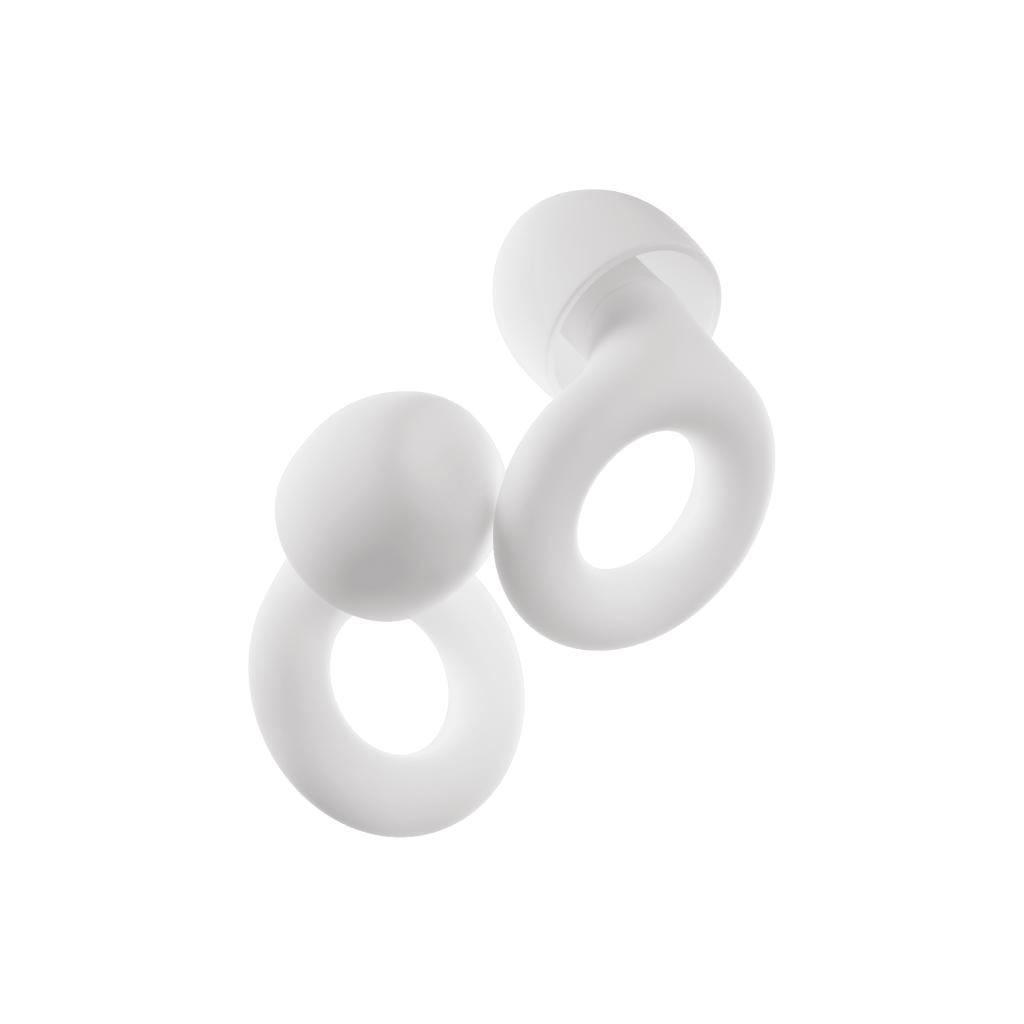
Every earplug you’ve tried has either fallen out while you sleep, turned your ears into waxy crime scenes, or made you feel like you packed foam insulation directly into your skull. You’ve thrown more pairs away than you’ve used.
Loop Quiet are reusable silicone earplugs that come in four tip sizes and actually stay in your ears — revolutionary concept. They reduce noise by 26dB without completely sealing you off from existence, and the loop sits flush against your ear so you can sleep on your side without a piece of foam poking into your pillow. Honest weakness: they can run a little warm in hot weather. That’s mostly it.
Earplugs you’ll actually use more than once.
- Why it’s #7: The first reusable earplug design that stays put and doesn’t feel like self-inflicted ear torture
- Best for: Partner snoring, travel, shared living situations
#6 — Felix Gray Nash Blue Light Glasses
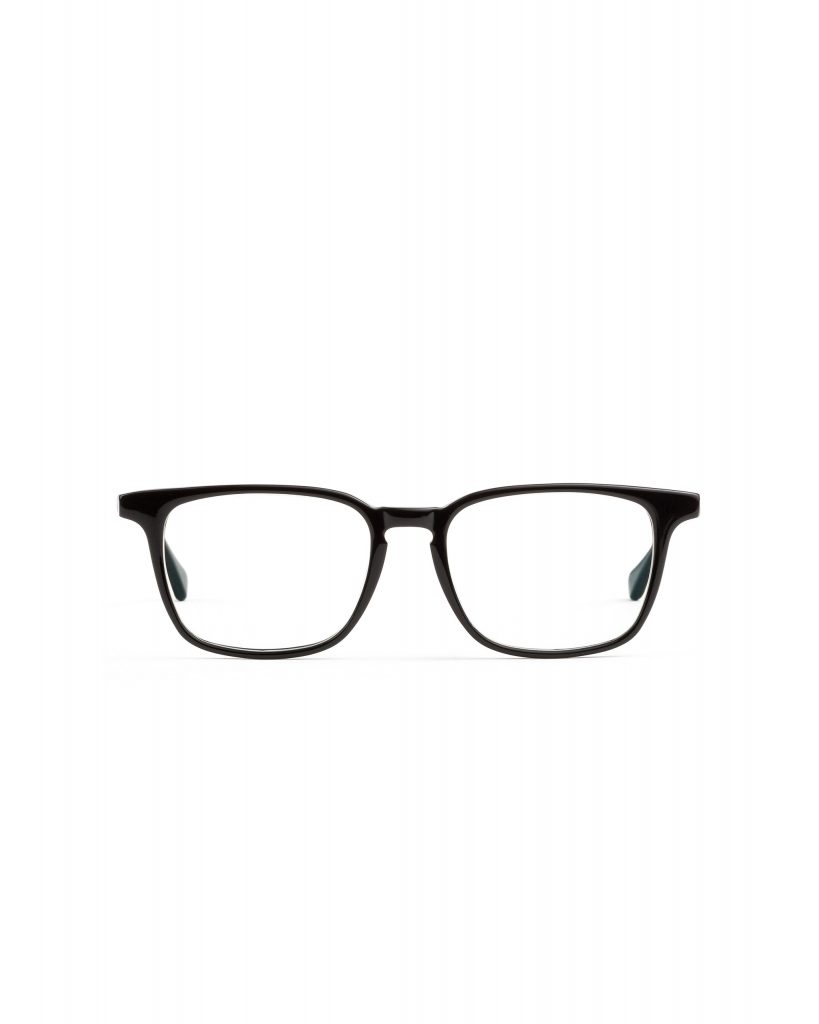
You tell yourself you’ll stop scrolling at 10 PM. Then it’s 11:30 PM and you’re deep in a rabbit hole about something that has nothing to do with sleep and your brain is wired like it just had an espresso.
Felix Gray’s Nash glasses filter 15x more blue light than standard clear lenses, with the filtering built into the lens material itself rather than added as a coating that scratches off in six months. They look like normal glasses, which means you’ll actually wear them instead of keeping them in a drawer with your other noble intentions. The honest downside is that clear-lens glasses have a ceiling on how much blue light they can block — if you want maximum filtering, you need amber lenses. But the Nash hits the sweet spot of wearable and genuinely effective.
Your bedtime was never the problem. The screen was.
- Why it’s #6: Filtering is embedded in the lens — stays effective and looks like a real pair of glasses you’d actually wear in public
- Best for: Evening screen users, WFH workers, anyone who cannot make themselves put the phone down
#5 — Natural Vitality Calm Magnesium
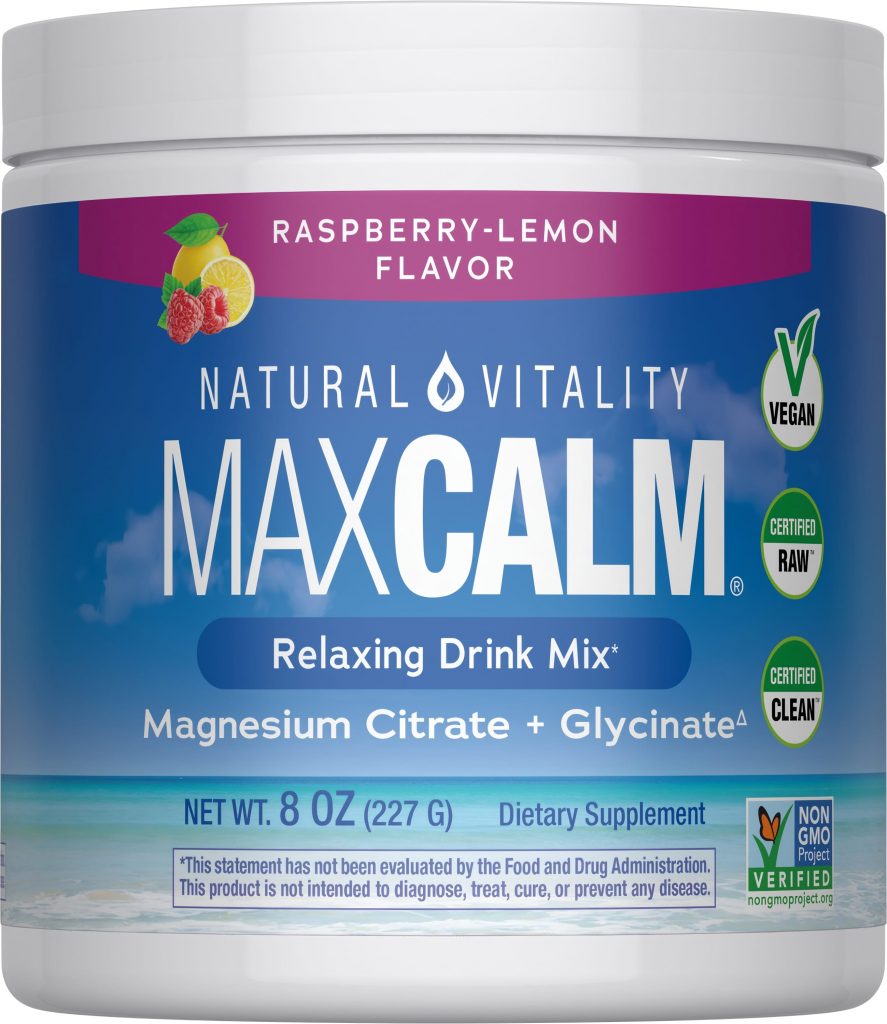
You lie in bed and your brain decides this is the ideal moment to review every email you should have sent differently, plan tomorrow’s grocery list in granular detail, and catastrophize about something that will probably never happen. Your body, meanwhile, is vibrating at a frequency inconsistent with rest.
Magnesium is involved in over 300 biochemical reactions in the body and most adults are running low on it — which means your muscles can’t fully relax and your nervous system stays in low-level alert mode. Natural Vitality Calm is a magnesium citrate powder you dissolve in water and drink before bed. The raspberry lemon flavor is actually good. The only real caution: too much too fast causes digestive issues. Start with half a teaspoon and work up gradually.
Sometimes the most useful sleep product is just a mineral your body was quietly missing.
- Why it’s #5: Addresses an underlying deficiency most sleep gadgets can’t touch — low magnesium is one of the most common and overlooked sleep disruptors
- Best for: Stress-related sleep issues, muscle tension at night, a racing mind that won’t shut off
#4 — YnM Weighted Blanket
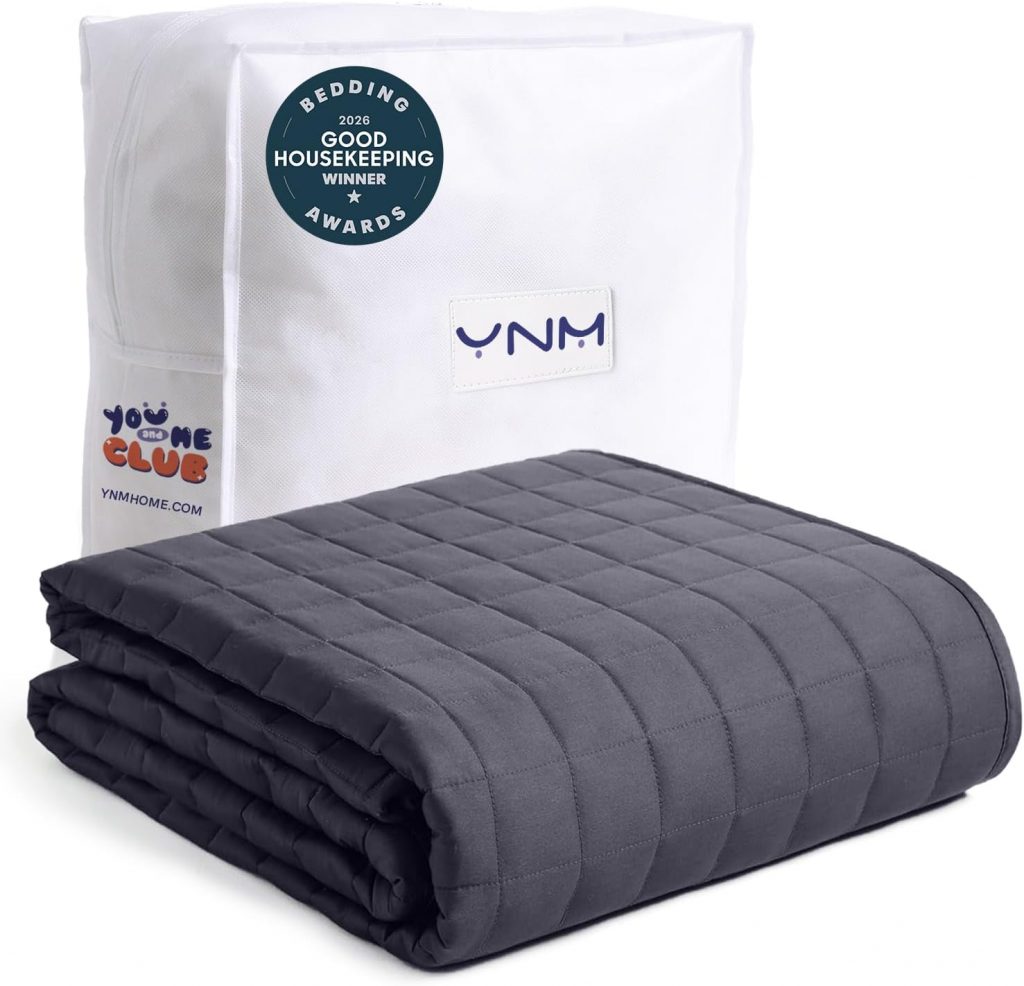
You’ve read that weighted blankets work. You’ve also read that they’re a scam. You’ve spent more time researching weighted blankets than actually sleeping, which is its own kind of irony.
The YnM uses a 7-layer design with glass beads distributed in small 2×2 inch pockets so the weight sits evenly across your body instead of sliding to the edges. The pressure mimics deep touch stimulation, triggering a calm-down response in your nervous system that no amount of meditating has managed to replicate. The weak spot: it runs warm, and if you’re already a hot sleeper this can work against you. YnM makes a cooling version for exactly that crowd. For everyone else, this is the standard to beat.
Turns out what you needed was someone to hold you. A blanket will do fine.
- Why it’s #4: Small pocket distribution and 7-layer construction gives it better, more even weight than cheaper competitors
- Best for: Anxiety-related sleep issues, restless sleepers, anyone who finds pressure genuinely calming
#3 — Manta Sleep Mask
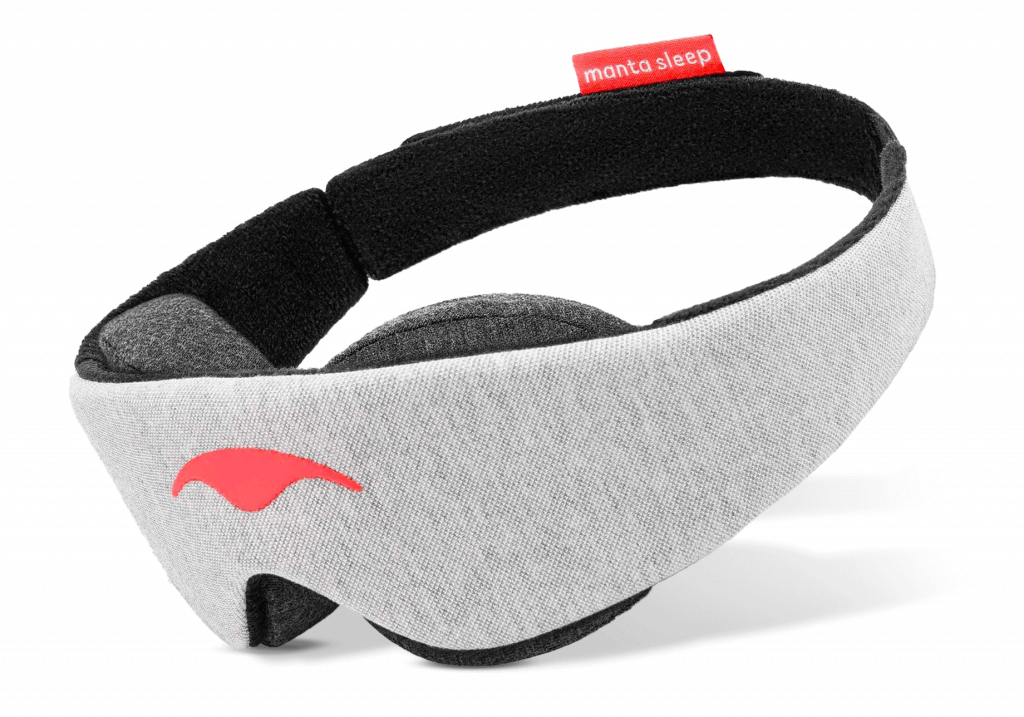
You’ve tried sleep masks. They either press directly on your eyelids like tiny pillows of passive aggression, or they let enough light through the edges that you could technically read by it. You’ve given up and accepted light as a fact of your bedroom life, which is exactly what’s tanking your deep sleep.
The Manta uses adjustable, detachable eye cups that float above your eyelids instead of touching them — total blackout with zero eye pressure. You can shift the cups up, down, left, right until they sit perfectly over your eye sockets and block everything. People with long lashes who have never found a mask that works have found their answer. The one real limitation: it takes a night or two to dial in the positioning. Once you do, you won’t understand how you slept without it.
Complete darkness is a superpower. This is how you access it.
- Why it’s #3: Floating eye cups deliver total blackout without the pressure that disrupts sleep — nothing else in this price range does this
- Best for: Shift workers, travelers, anyone in a room they can’t fully darken
#2 — Hatch Restore 3
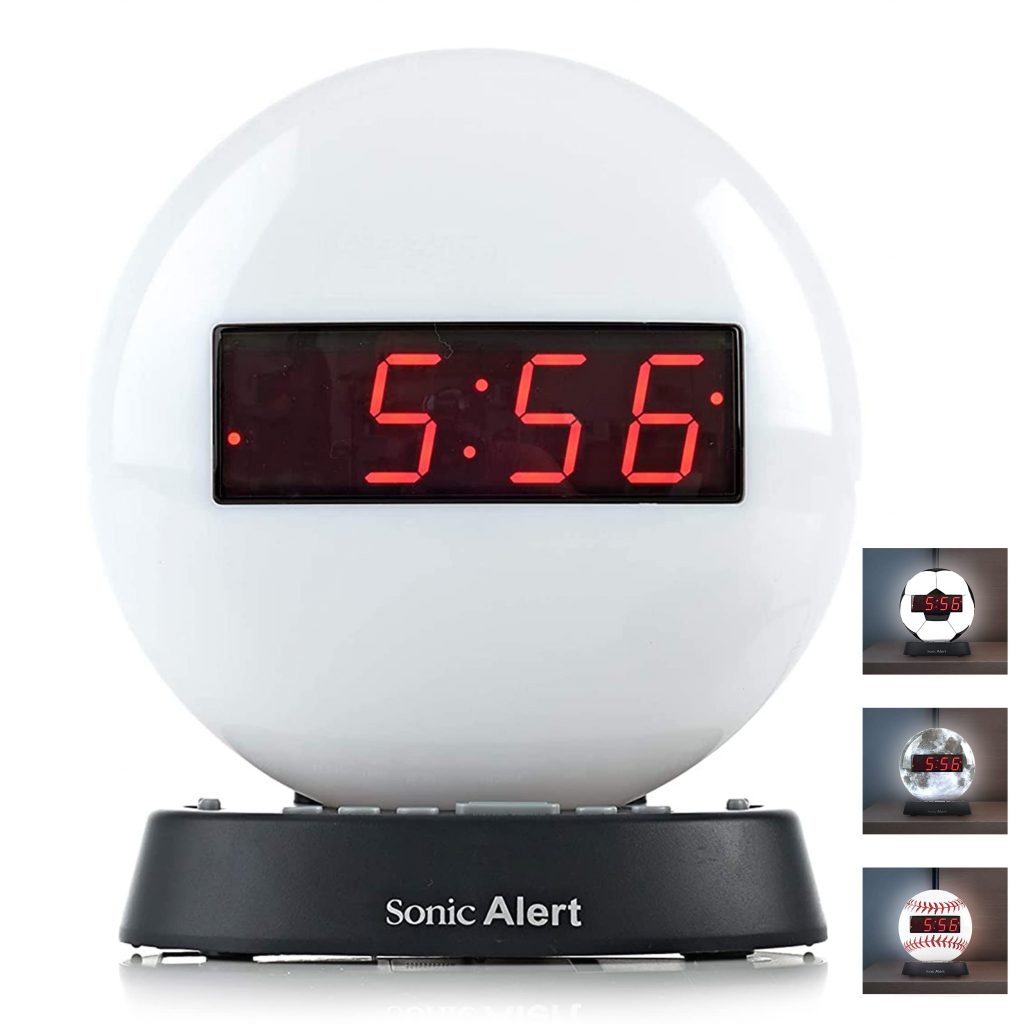
You’ve been jolted awake by an alarm for so long you’ve started to associate the entire act of sleeping with impending dread. Your body knows it’s coming and starts bracing for impact around 6 AM. You get eight hours and still wake up exhausted because the last hour is just survival mode.
The Hatch Restore 3 is a sunrise alarm clock, white noise machine, and sleep routine coach in one device. It gradually brightens the room over 30 minutes before your alarm plays, triggering a natural cortisol rise that brings you to the surface before the sound even starts — so when the tone plays, you’re already mostly awake instead of being ripped out of deep sleep. The Hatch app lets you build custom wake and wind-down routines. The optional subscription unlocks the full sound and content library, which some people resent paying for. Fair. The hardware alone is still worth it.
You were never supposed to wake up to a shrieking alarm. This fixes that.
- Why it’s #2: Sunrise simulation changes the entire experience of waking up — once you try it, a standard alarm feels like a punishment
- Best for: Anyone who wakes up groggy regardless of sleep time, people with irregular schedules
#1 — Oura Ring Gen 3
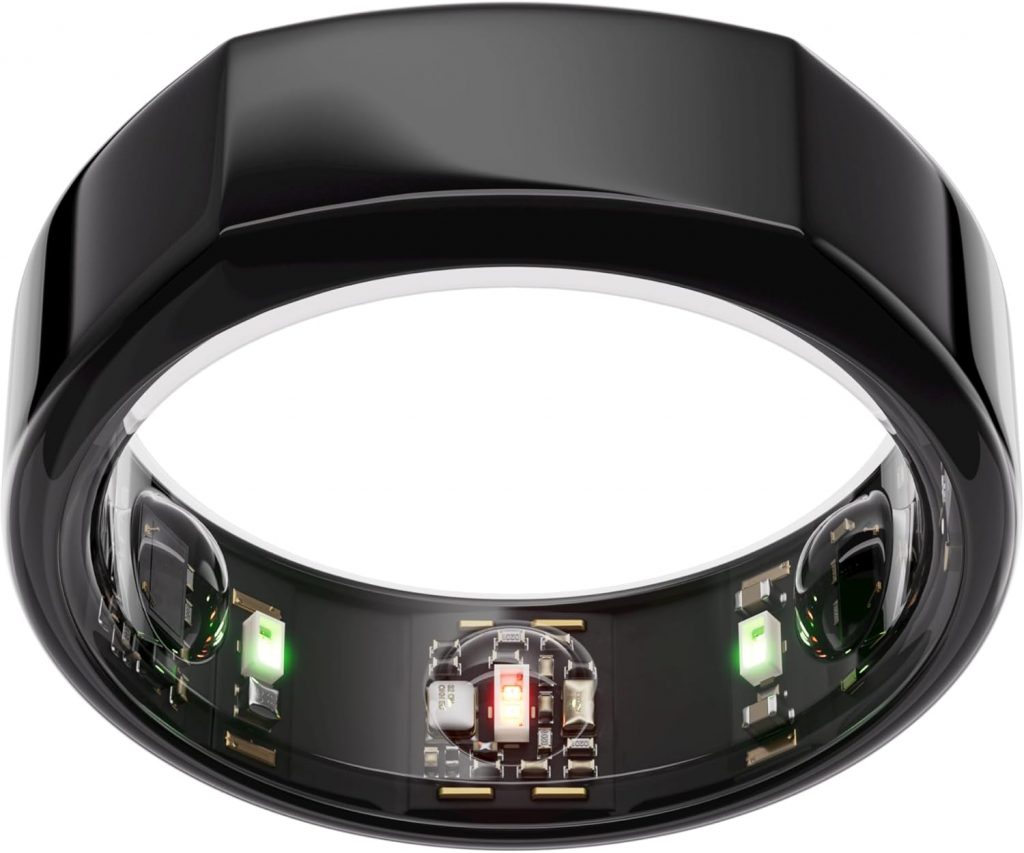
You’ve tried everything on this list and you’re still guessing. Some nights you get eight hours and wake up wrecked. Other nights six hours and you feel great. You have no idea why the difference exists, which means you have no idea what to fix.
The Oura Ring tells you why. It tracks your sleep stages (light, deep, REM), heart rate, HRV, body temperature, and respiratory rate from a ring on your finger — and then gives you a daily Readiness score that reflects how well you actually recovered, not just how long you were horizontal. The membership carries an ongoing monthly cost after the first six months free, which is a real ongoing cost. But the data is genuinely actionable. You’ll start seeing patterns between alcohol, stress, late screens, and your sleep quality that no amount of guessing would have surfaced. This is the product that makes everything else on this list make sense.
Everything else treats the symptoms. This shows you the source.
- Why it’s #1: Sleep quality tracking is the only way to know what’s actually working — and the Oura Ring does it better than anything else you can wear
- Best for: Data-driven people, chronic poor sleepers, anyone serious about understanding their recovery
Bottom Line
Good sleep isn’t one product — it’s a stack. Start with the pillow and the magnesium, block the light and the noise, and add layers from there. But if you only buy one thing on this list, buy the Oura Ring and let it show you exactly what’s standing between you and the sleep you’re supposed to be getting.
Leave a Reply