
You don’t need ten gaming consoles. You need one gaming console — specifically the right one. Unfortunately, the gaming hardware market has decided to give you approximately ten genuinely excellent options, all with different strengths, price points, and reasons to justify the purchase to whoever is currently sharing your bank account. We tested, compared, and argued about it so you don’t have to.
Counting down from a solid bronze medal to the undisputed heavyweight: here are the 10 best gaming consoles you can buy right now.
#10 — Nintendo Switch Lite
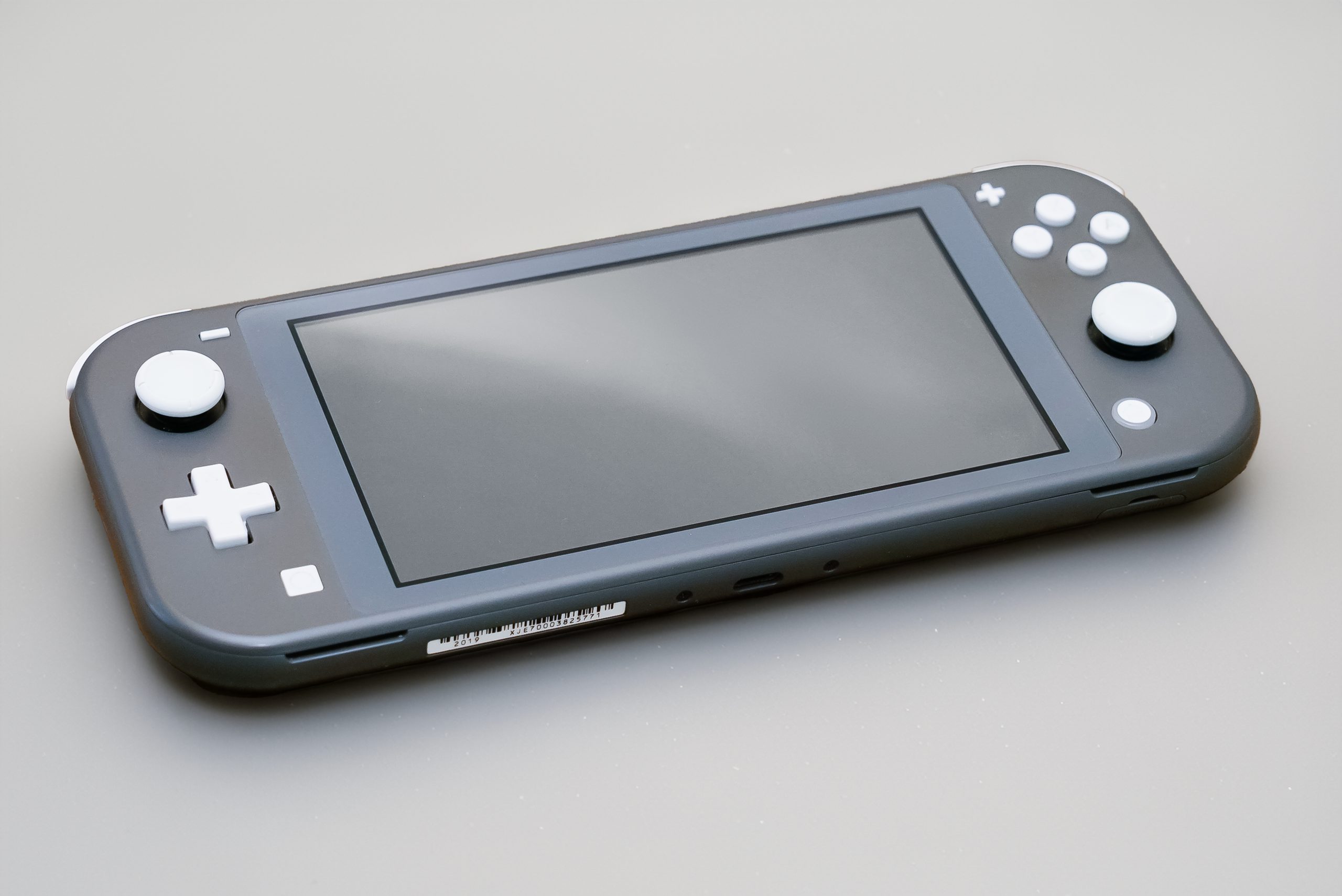
You know that moment when you carefully pack your Nintendo Switch for a trip, set it on your partner’s nightstand for “just one game,” and wake up to find them 47 hours deep into Animal Crossing with your account completely colonized? The Switch Lite solves that problem — it’s your Switch, just for you, small enough to live in a pocket, and too underpowered to dock to a TV so nobody wants to steal it for the couch.
It’s the cheapest way into the Nintendo ecosystem and has access to the full Switch library. The screen is a decent 5.5-inch LCD, the battery lasts 3–7 hours depending on the game, and it comes in a few colors that look great until you scratch them. The big asterisk: it’s handheld-only. There is no TV mode. There is no “just for a minute on the big screen.” If you want dock support, you’ll need to step up. That said, as a dedicated portable gaming machine for the Nintendo library — Pokemon, Zelda, Mario, all of it — the Lite punches well above its price.
The perfect “I need a gaming thing that fits in my coat pocket and costs less than dinner for two” solution.
- Why it’s #10: Great value, but the no-TV mode and aging hardware keep it at the bottom of the list
- Best for: Kids, commuters, Nintendo fans on a strict budget, and anyone whose Switch keeps getting stolen
#9 — Analogue Pocket
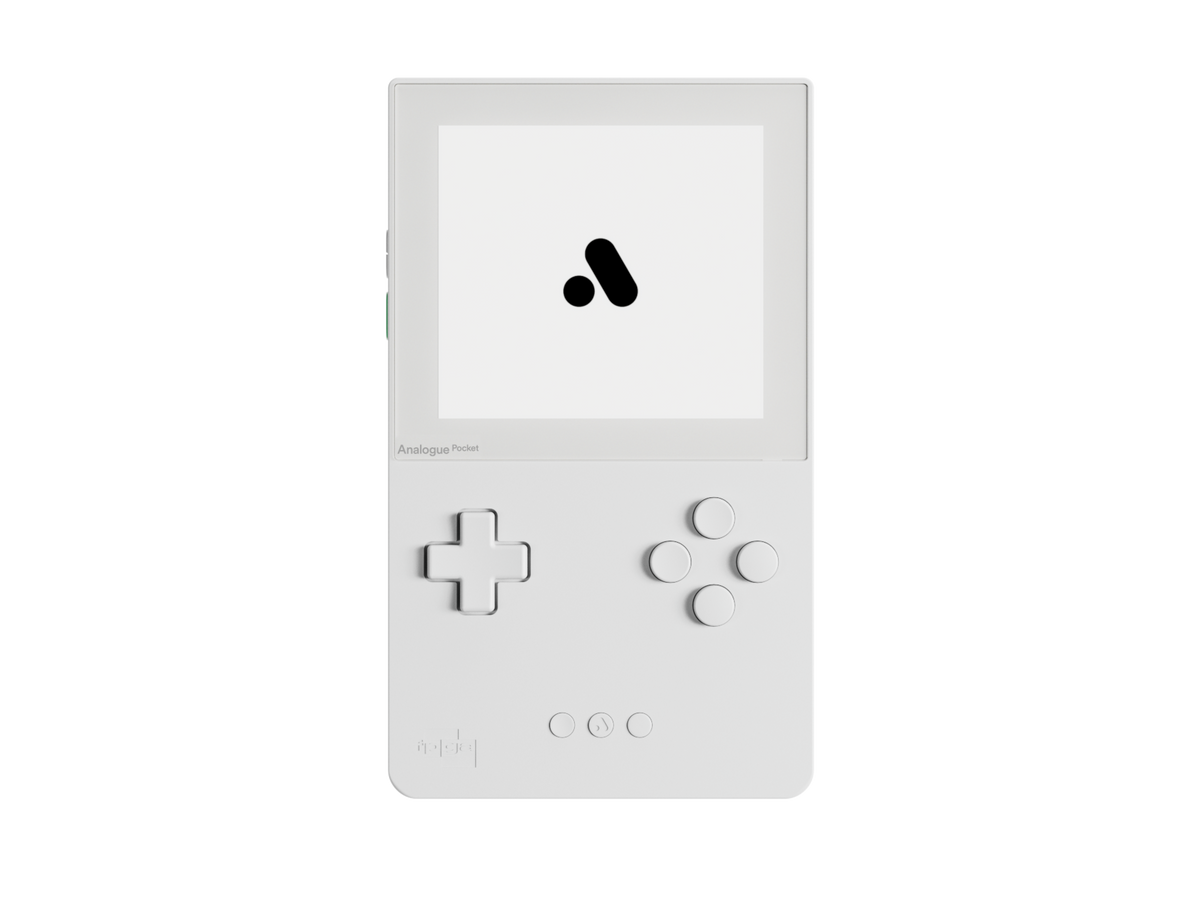
Somewhere in a shoebox under your bed — maybe under the bed at your parents’ house — are 12 Game Boy cartridges you haven’t touched since 2003. Pokémon Red with 300+ hours logged. Tetris. That one Dragon Warrior Monsters game you remember being incredible. The Analogue Pocket exists specifically to make you dig those out.
This isn’t emulation. The Pocket uses FPGA chips to recreate the actual hardware of classic handhelds at the circuit level, which means it plays Game Boy, Game Boy Color, and Game Boy Advance cartridges with no input lag, perfect accuracy, and on a gorgeous 3.5″ 615ppi screen that’s sharper than most modern phones. With adapters (sold separately), it also handles Game Gear, Neo Geo Pocket Color, and Atari Lynx. The catch is obvious: you can’t buy new games for it. Its library is entirely the retro cartridges you already own or can find secondhand. It’s a premium product for a specific type of person. If that person is you, you already know it.
The gaming equivalent of a high-end turntable — overkill for most people, revelatory for everyone else.
- Why it’s #9: Niche appeal and no new game ecosystem, but nothing else plays retro cartridges this well
- Best for: Retro gaming enthusiasts with existing cartridge collections, people who genuinely care about accuracy over convenience
#8 — Xbox Series S

Here’s the pitch: you want a next-generation gaming console. You also want to keep the lights on. You’d like to play games at up to 120 frames per second, access a library of hundreds of games through a monthly subscription, and not feel like you just financed a small appliance. These are all completely reasonable desires, and the Xbox Series S satisfies all of them at a genuinely affordable price.
The Series S is the smallest Xbox ever made — it’s roughly the size of a hardcover novel and runs completely silently. It handles 1440p gaming beautifully and hits 4K for streaming. The weak point everyone brings up is the 512GB SSD, which fills up faster than you’d expect (modern Xbox games are enormous). An external storage expansion card is basically mandatory if you’re serious, adding meaningfully to the real cost. But the headline feature remains Xbox Game Pass, which gives you access to hundreds of games including day-one releases from Xbox Game Studios. As a value proposition, nothing in gaming touches it.
The “I’m not made of money but I still deserve nice things” console of the generation.
- Why it’s #8: Best value-to-performance ratio in the lineup, but limited storage and no disc drive hold it back from higher
- Best for: Budget-conscious gamers, Xbox Game Pass subscribers, households that already own Game Pass
#7 — Meta Quest 3S
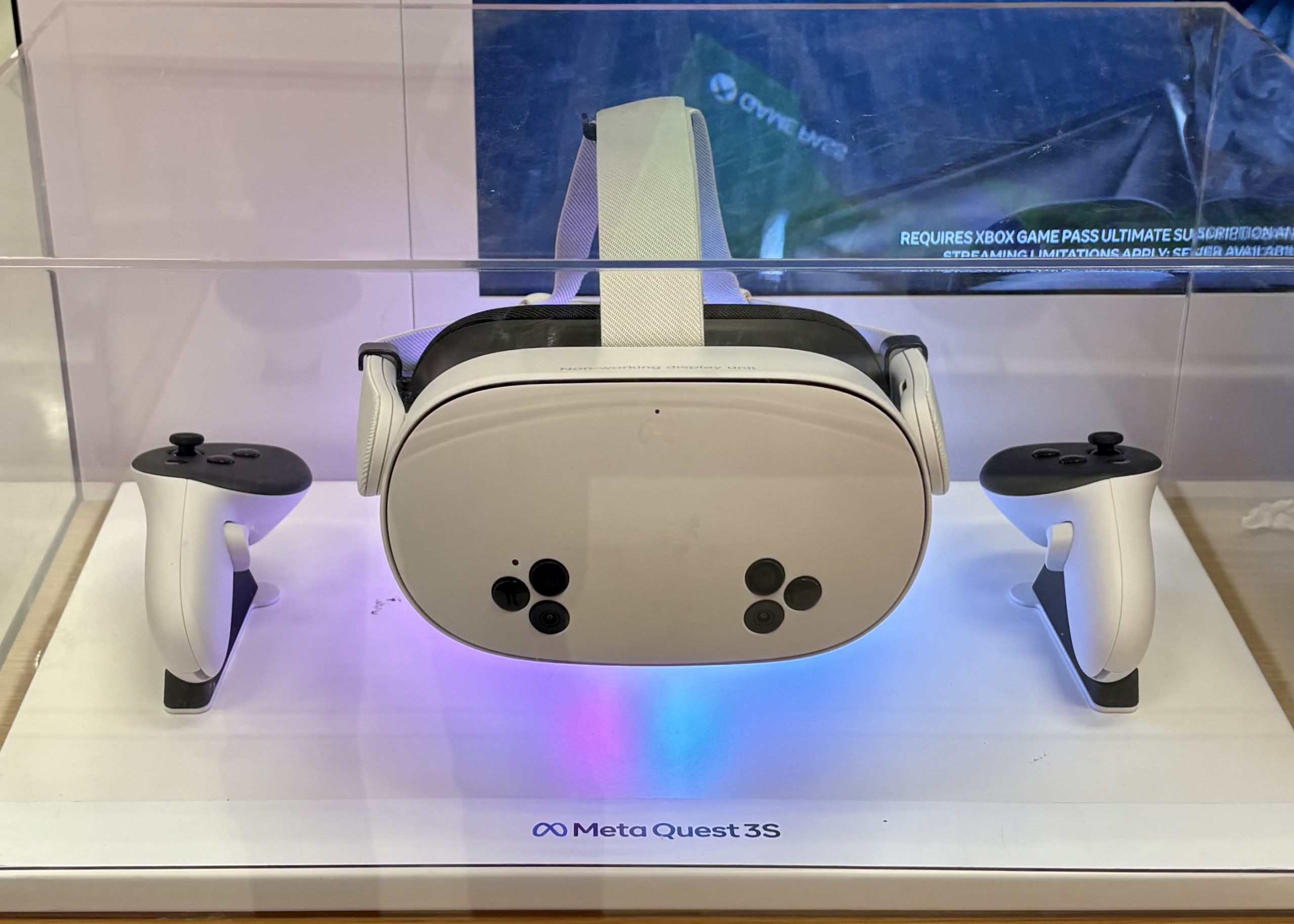
There’s a specific moment that happens during your first VR session where you reach out to touch a virtual object and your hand passes right through it. For a fraction of a second your brain short-circuits. Your entire spatial understanding of the room is wrong. It is genuinely one of the stranger experiences available to a human being in 2025, it’s surprisingly affordable. The Meta Quest 3S is how most people should enter this dimension.
The Quest 3S is standalone — no PC required, no wires, no expensive gaming rig as a prerequisite. It runs on the Snapdragon XR2 Gen 2, which is a meaningful step up from the Quest 2, and at 128GB it has room for a solid library. Mixed Reality (overlaying virtual objects on your real room) works surprisingly well and opens up games that aren’t possible on any flat screen. The trade-off versus the full Quest 3 is the display: the 3S uses a Fresnel lens rather than the pancake lenses of the Quest 3, which means slightly less sharpness and a narrower sweet spot. For a first headset at this price? You will not care. You’ll be too busy dodging virtual arrows.
The best way to introduce your brain to spatial computing without spending half a mortgage payment to do it.
- Why it’s #7: Unmatched at its price for VR, but display optics trail the Quest 3 and battery life (~2 hours) is a constant conversation
- Best for: VR newcomers, fitness gamers, anyone who wants to experience spatial computing without a high barrier to entry
#6 — Nintendo Switch OLED
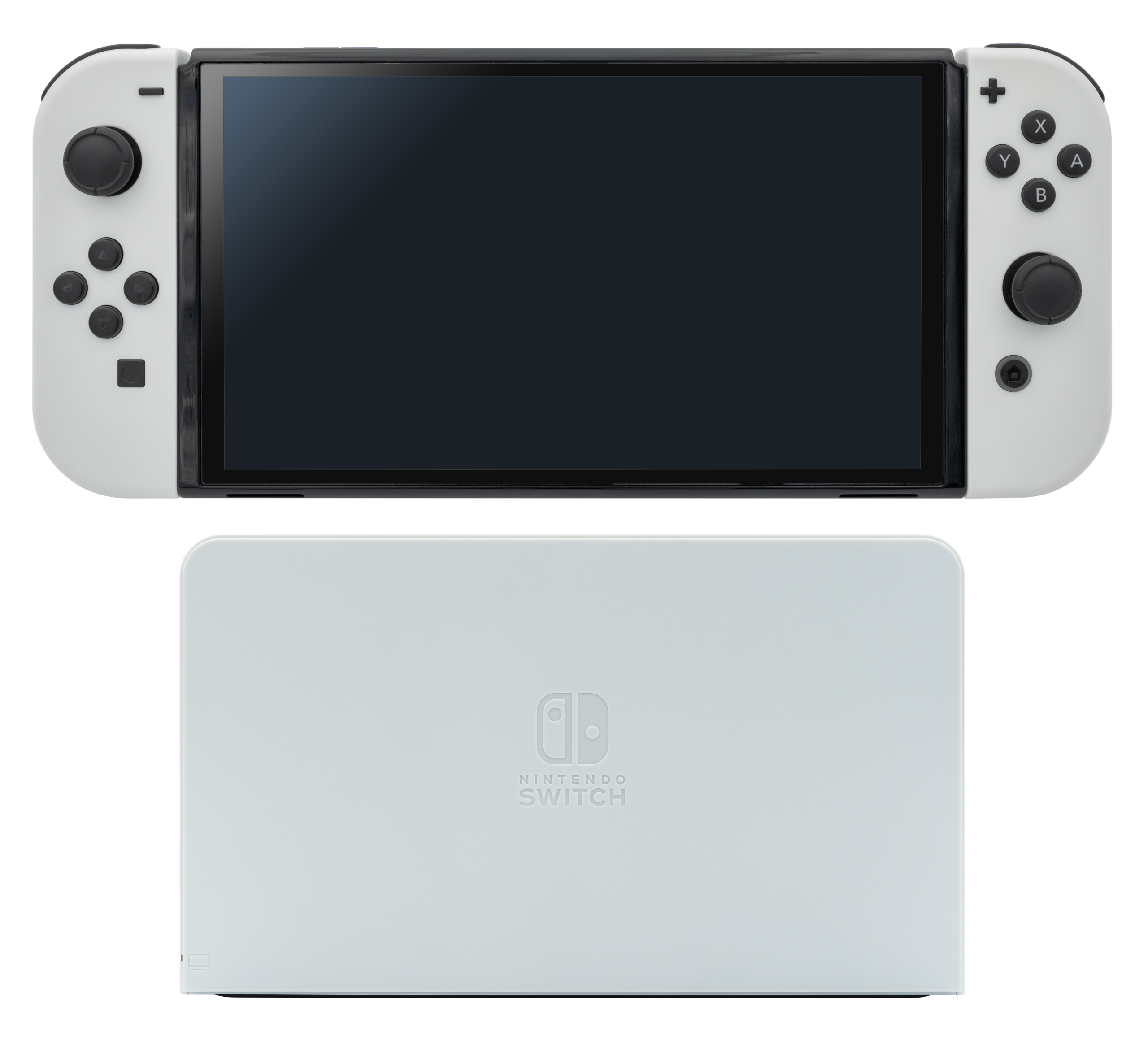
In 2017, Nintendo released the Switch. In 2021, they released the Switch OLED, which is the same Switch but with a bigger, more beautiful screen and a slightly better kickstand. Nintendo charged a premium for this and the entire gaming community complained bitterly and then bought it anyway — including, statistically, most people reading this. There’s a reason.
The 7-inch OLED display is genuinely stunning for handheld gaming. The colors are richer, blacks are actual black, and everything looks more alive than it does on the base model’s LCD. The audio also improved. The dock now has a wired LAN port. These are not revolutionary changes — nothing about this console’s internals is different from the 2017 original — but if you’re buying a Switch today and the Switch 2 is out of your budget or you’re waiting for its library to mature, the OLED model is the right buy. More screen real estate, better visuals, same incredible Nintendo library. No complaints that can’t be fixed by saying “it still plays every single Switch game flawlessly.”
The definitive “I want the original Switch experience but nicer” option, and that is an entirely valid thing to want.
- Why it’s #6: Best current-gen Nintendo portable, but shows its 2017 hardware roots and the Switch 2 has made it feel transitional
- Best for: Nintendo fans not ready to upgrade, households that want a second Switch, anyone who plays in handheld mode primarily
#5 — PlayStation 5 (Slim Disc Edition)
Do you remember the PlayStation 5 launch in November 2020? The 4am Amazon alarms. The checkout page crashes. The eBay listings at a wild markup from some guy named Dave. Three years of hunting, rationing, and disappointment. Now you can walk into a Target and just… buy one. The PS5 Slim is sitting on the shelf like a completely normal consumer product. Somehow this feels like a victory and a betrayal at the same time.
The Slim is meaningfully smaller than the original PS5 (which could double as a router for a mid-sized office building) and runs quieter too. Performance-wise it’s identical — same custom AMD CPU and GPU, same ultra-fast SSD, same DualSense controller with haptic feedback that makes every raindrop and surface texture feel different. The honest trade-off at #5 is that Sony’s first-party exclusives pipeline is slowing down as they focus resources on PS5 Pro upgrades and multiplatform releases. If you want the cheapest way into PlayStation’s excellent library — Spider-Man 2, God of War, Horizon — this is still the way. Just know the Pro exists.
The PlayStation you want, at the PlayStation price you can live with, doing every PlayStation thing you care about.
- Why it’s #5: Excellent all-around console but increasingly overshadowed by the Pro’s visual performance and Sony’s shifting focus
- Best for: PlayStation exclusives fans, anyone entering the PS ecosystem for the first time, people who refuse to pay a premium price for a gaming console (valid)
#4 — Steam Deck OLED
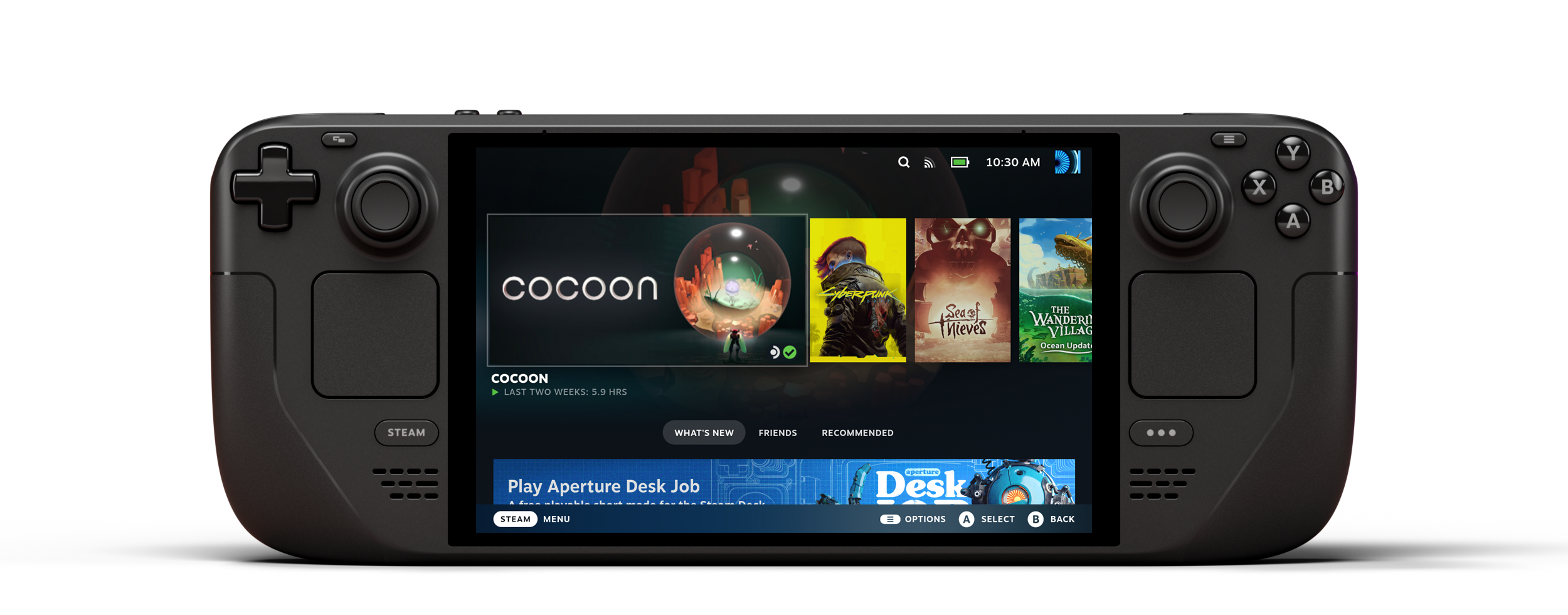
If you have a Steam library with 400 games — most of which you bought on sale and have never launched — the Steam Deck OLED is your moral reckoning. It will put your entire PC gaming backlog in your hands and you will finally have to confront the fact that you bought Civilization VI four separate times during sales and have never finished a single campaign.
The OLED version is the one to get. Valve upgraded the display to a stunning 7.4-inch HDR OLED panel that makes everything look dramatically better, extended the battery by 30–50% over the original LCD model, and added Wi-Fi 6E. You’re getting essentially a portable PC that runs SteamOS, can connect to a TV via dock, and plays the overwhelming majority of your existing Steam library without modification. The honest weakness: if you don’t have an existing Steam library, the value proposition shrinks significantly. It’s also a chunky device — larger than a Switch and heavier. Gaming in bed with this on your stomach is genuinely a workout. But for PC gamers who want portability without compromise, there’s nothing else like it.
The portable PC gaming machine that finally makes “I’ll just quickly play one more hour before sleep” a logistical possibility in any room.
- Why it’s #4: Unmatched for PC gamers, but less valuable without an existing Steam library and it’s physically substantial
- Best for: PC gamers who want handheld play, couch gamers who don’t want to build a media PC, anyone with a backlog they’ve been meaning to get to since 2019
#3 — Xbox Series X

The Xbox Series X is the reliable, competent, slightly underappreciated friend that always shows up, does the work, and never once complains while a flashier PlayStation takes all the credit at the party. It is an exceptional gaming console. Microsoft has inexplicably made it difficult to love by not putting out enough exclusives, but on pure hardware merit, it is exactly as good as anything else at this price.
12 teraflops. 4K gaming at up to 120fps. A 1TB NVMe SSD that loads most games in under 3 seconds. Quick Resume, which lets you snap between multiple games like alt-tabbing on a PC, remains one of the most useful quality-of-life features in console gaming. Game Pass Ultimate bundles access to hundreds of games, EA Play, and Xbox cloud gaming. The elephant in the room: Microsoft’s exclusive game lineup is thinner than PlayStation’s. If you want Halo, Forza, and everything that comes through Game Pass, this is your box. If you primarily care about PlayStation exclusives, that’s not a problem the Series X can solve for you — but if you’re ecosystem-agnostic, it is a genuinely fantastic machine.
The right console for the right person — and for anyone who values raw performance and Game Pass, that person might be you.
- Why it’s #3: Best-in-class performance and Game Pass value, but the exclusives gap with PlayStation is real and frustrating
- Best for: Game Pass subscribers, 4K gamers, households already in the Xbox ecosystem, multiplatform gamers who want the best hardware
#2 — Nintendo Switch 2
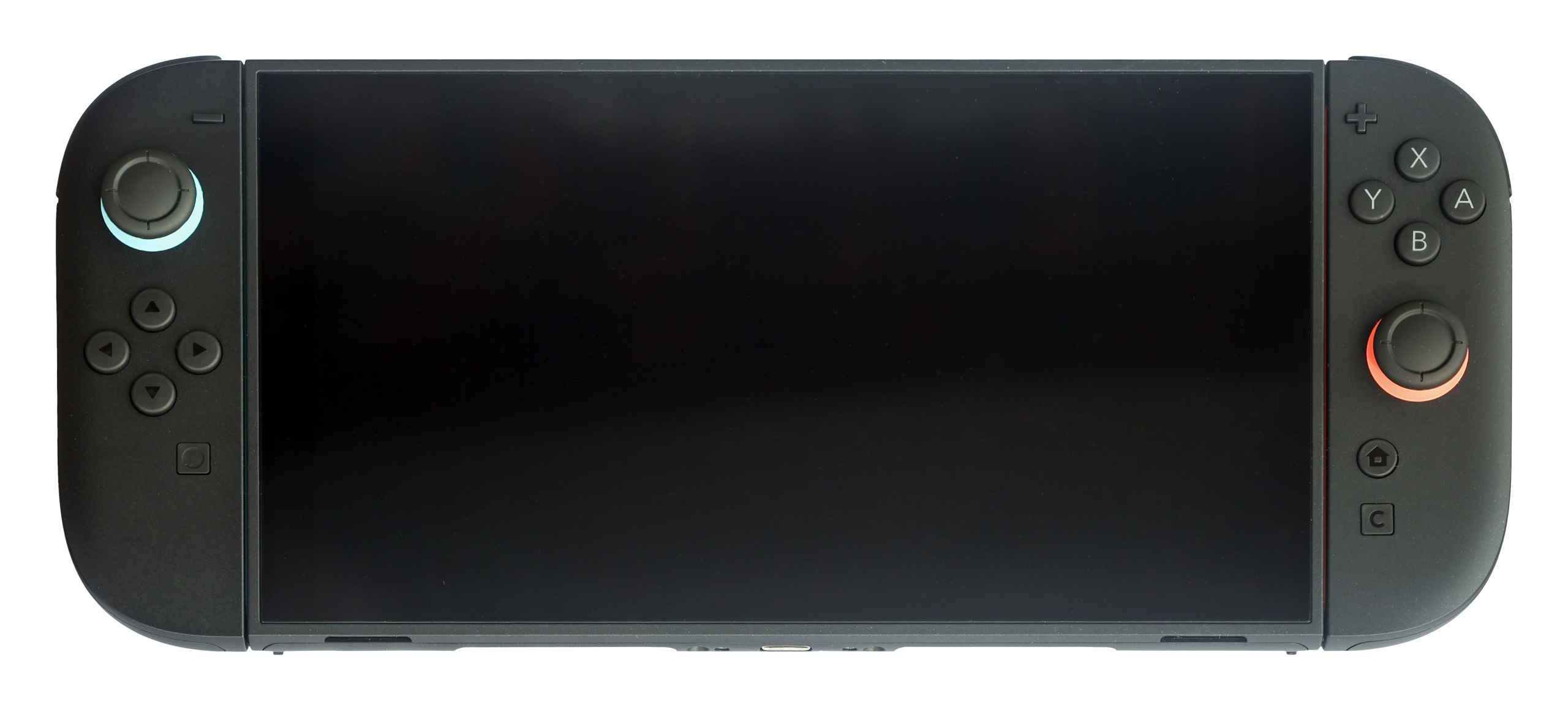
Nintendo spent eight years selling us the same Switch hardware while gradually adding features like a bigger screen, more colors, and a subscription service — all while the competition lapped them in processing power twice. Then in June 2025, they dropped the Nintendo Switch 2 and the entire discourse flipped overnight. Everyone immediately forgave them. This is the Nintendo Effect and it is completely irrational and also completely understandable because it is a very good console.
The Switch 2 is a genuine generational leap over the original. The 7.9-inch 1080p HDR10 touchscreen is dramatically better. The dock outputs 4K at 120fps for compatible games. There’s 256GB of internal storage, 12GB of RAM, and the new Joy-Con 2 controllers finally have the satisfying magnetic click-in mechanism that should have existed from day one. Crucially, it’s fully backward compatible with your existing Switch library. The only real weakness right now is that it launched in mid-2025, so the first-party library is still building. Mario Kart World shipped with it and it’s excellent, but you’re buying some potential along with the present. The potential is well-founded.
The Switch finally grown up — it took eight years and the gaming world is better for it.
- Why it’s #2: The best hybrid console ever made and a worthy upgrade, but the library is still maturing and it’s hard to justify over the PS5 Pro for pure home gaming
- Best for: Nintendo fans ready to upgrade, households who loved the original Switch’s hybrid concept, anyone who owns a Switch library and wants it to look dramatically better
#1 — PlayStation 5 Pro
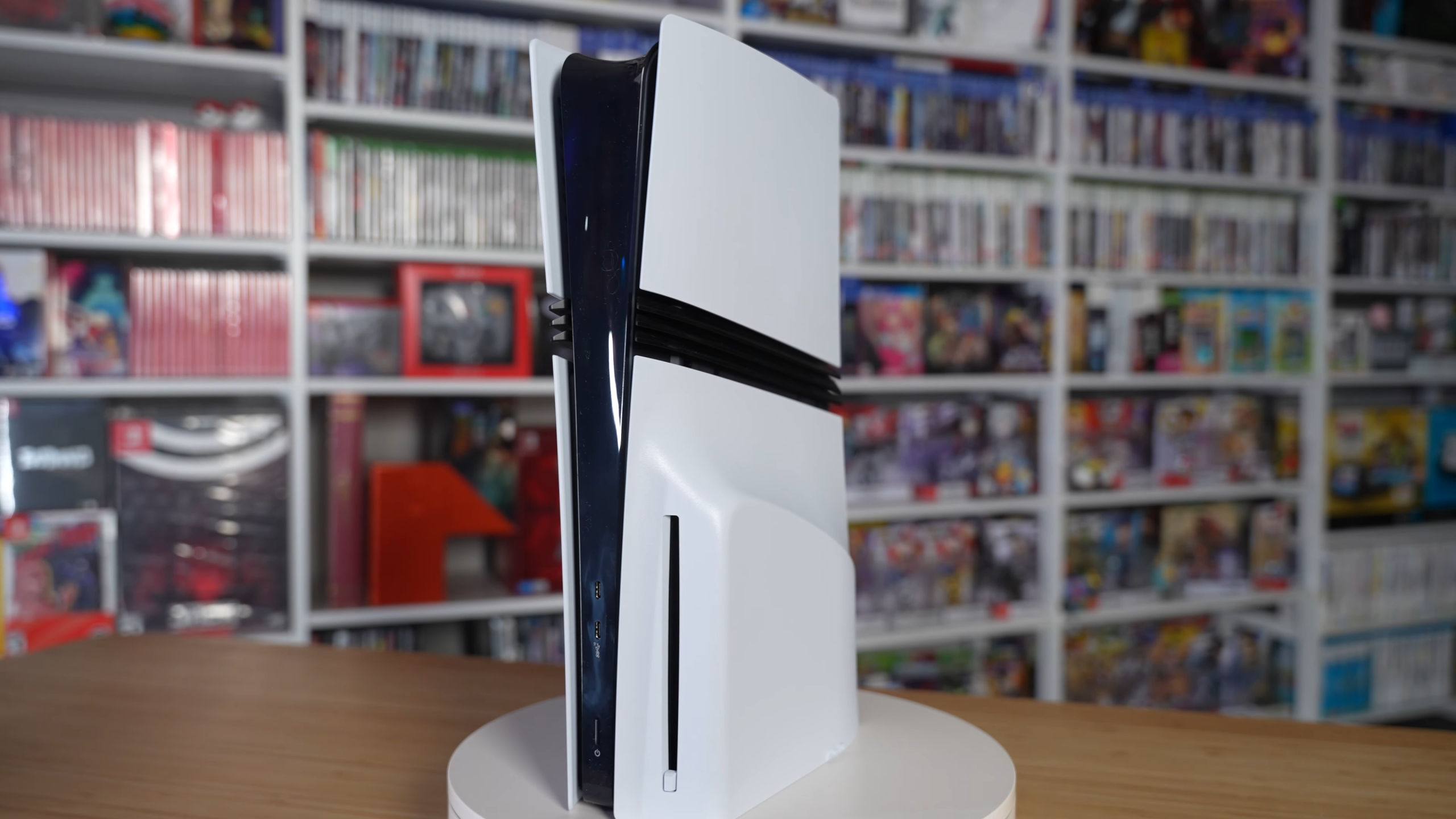
There’s a premium-priced gaming console that Sony would like to have a word with you about. It is called the PlayStation 5 Pro, and once you’ve seen a PS5 Pro running a supported game next to a standard PS5, you’ll have a very hard time looking at the standard PS5 the same way. The difference is visible. That is either a very good reason to buy it or a very good reason to never look at a PS5 Pro in person. Choose wisely.
The Pro’s headline feature is PSSR — PlayStation Spectral Super Resolution — Sony’s proprietary AI upscaling technology that achieves 4K image quality from a lower internal resolution without the frame rate sacrifice of native rendering. It works. The ray tracing hardware received a significant upgrade, the GPU has 67% more compute units than the standard PS5, and the result is that games that previously had to choose between resolution and frame rate can now have both. Is the price tag extraordinary? Yes. Does it lack a disc drive and vertical stand as standard, which is genuinely irritating given the price? Also yes. But it’s the best-performing home console you can buy today, it plays every PS5 game with enhanced performance, and it has access to the best first-party library in console gaming right now.
The obvious #1 for anyone who plays PS5 games and wants them to look as good as they possibly can — full stop.
- Why it’s #1: Best hardware performance of any console available, outstanding exclusive library, PSSR upscaling is genuinely impressive
- Best for: PlayStation fans who want the best possible experience, 4K TV owners, anyone who plays performance-sensitive games like racing sims or shooters at high settings
Bottom Line
The honest answer is that the “right” console depends entirely on who you are. If you’re a Nintendo person, the Switch 2 is the most exciting upgrade in years. If you’re deep in the PlayStation ecosystem, the PS5 Pro makes everything you already own look better. If you’re budget-conscious and willing to go digital-only, the Xbox Series S + Game Pass is arguably the best value in gaming. No single console wins for everyone — which is exactly why we made you read through all ten of them. You’re welcome.
Leave a Reply